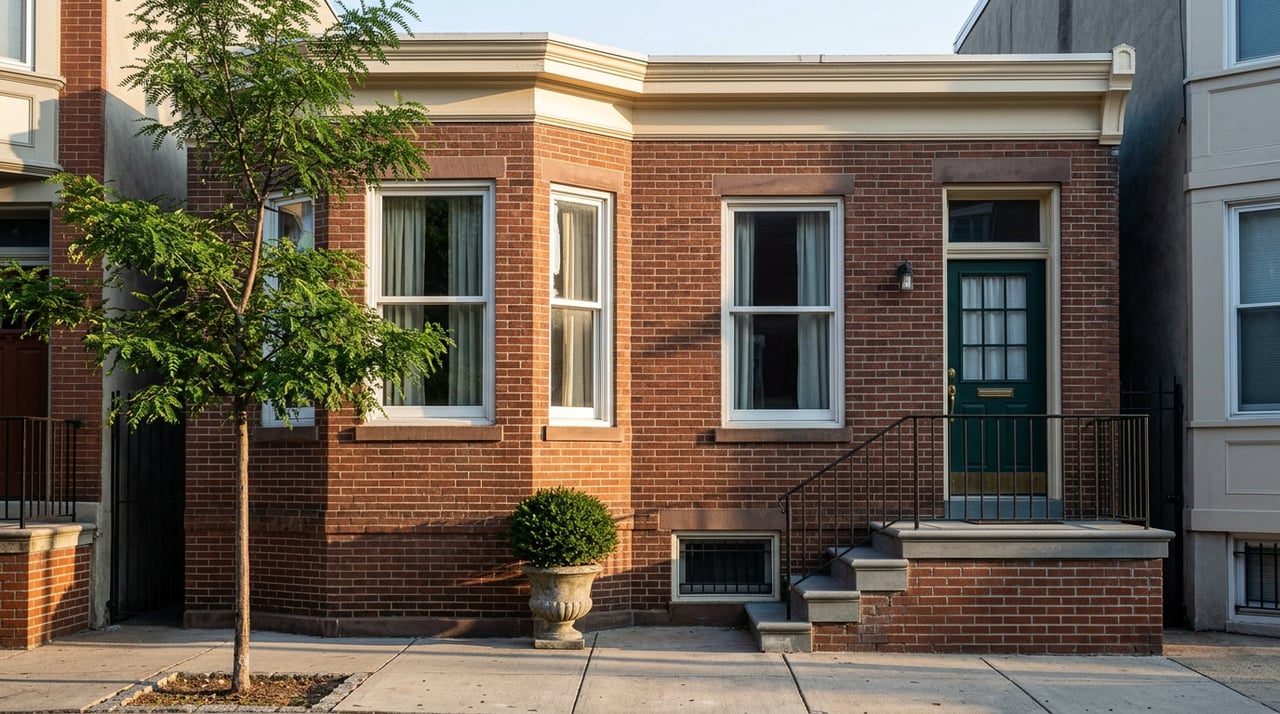
Buying your first place in Crown Heights can feel exciting right up until you realize one big truth: a condo and a co-op may look similar online, but they can work very differently once you start budgeting, applying, and planning for the future. If you are trying to decide which path fits your finances and lifestyle, you are not alone. This guide breaks down how Crown Heights condos and co-ops differ, what first-time buyers should watch for, and how to think through the numbers before you make an offer. Let’s dive in.
Why Crown Heights draws first-time buyers
Crown Heights sits in an interesting middle ground for Brooklyn buyers. Current market data places the neighborhood’s median sale price at about $1.2 million, which is lower than places like Park Slope and Fort Greene at around $1.7 million, and a bit below Bedford-Stuyvesant, Prospect Heights, and Prospect Lefferts Gardens. At the same time, it is not a bargain-basement market either, especially compared with Flatbush at about $610,000.
That pricing context matters when you are choosing between a condo and a co-op. In Crown Heights, you may see prewar co-ops, condo conversions, and newer condo buildings in the same broad area. The neighborhood’s older housing stock, including many buildings dating back to the early 20th century, helps explain why first-time buyers often need to compare very different ownership structures, building rules, and monthly costs.
Condo vs. co-op basics
What you own in a co-op
When you buy a co-op, you do not receive a deed to a specific apartment in the usual condo sense. Instead, you buy shares in the corporation that owns the building, and those shares give you the right to occupy your unit.
That structure affects both your finances and your approval process. Monthly maintenance often includes building upkeep, property taxes, utilities, staff, and sometimes an underlying mortgage. It also usually means more building rules and a more hands-on board review.
What you own in a condo
When you buy a condo, you own the unit itself plus a share of the common areas. Your monthly costs are usually split across several buckets rather than wrapped into one larger payment.
In practical terms, condo ownership often means a mortgage payment, common charges, property tax, and insurance bills that are paid separately. Condo boards still have rules, but buyer approval is usually less intensive than it is in a co-op.
How monthly costs really compare
For many first-time buyers, the monthly payment is where the condo versus co-op choice becomes real.
In a co-op, the monthly number often looks simpler at first glance because maintenance can bundle more of the building’s ongoing costs. Co-op property taxes are generally billed to the board and then passed through to shareholders as part of common charges. That can make the monthly expense feel more all-in, though you still need to understand exactly what the maintenance covers.
In a condo, the monthly picture is often more itemized. You should expect to add up your mortgage, common charges, property taxes, and insurance separately. That can make a condo look lower on one line item while still producing a higher total monthly cost once everything is included.
A simple budgeting lens
Before you fall in love with any listing, compare the true all-in monthly cost using the same framework each time:
- Mortgage payment
- Building maintenance or common charges
- Property taxes
- Insurance
- Any current assessment
- Likely near-term repair risk based on building records
This matters in Crown Heights because many buildings are older. If a building has weak reserves or visible capital work coming up, your monthly cost may rise after closing.
Down payment and cash-to-close expectations
A 20% down payment is still the benchmark many NYC buyers plan around, but your actual minimum depends on the property and the lender. Some co-ops may require only 75% financing, which means a 25% down payment. Some condos may allow up to 90% financing.
For co-ops, the board review often raises the financial bar beyond the lender’s minimum. It is common for co-op buyers to need 20% to 30% down, low debt relative to income, and meaningful cash reserves after closing. That is one reason many first-time buyers find co-ops affordable on purchase price but demanding on paperwork and liquidity.
You also need to budget for closing costs. In NYC, closing costs typically run about 4% to 6% of the purchase price, and they are usually higher for condos than for co-ops. If your purchase price is $1 million or more, mansion tax may apply too, which is especially relevant in a neighborhood where the median sale price is around $1.2 million.
First-time buyer help in NYC
If you need help with upfront costs, NYC’s HomeFirst Down Payment Assistance Program is worth reviewing. Qualified first-time buyers can receive up to $100,000 toward a down payment or closing costs on a condo, co-op, or 1 to 4 family home in New York City.
There are important conditions. You must contribute at least 3% of the purchase price from your own funds, complete homebuyer education through an approved counseling agency, and use the home as your primary residence. If you are trying to buy in Crown Heights, that kind of assistance can make a meaningful difference in your cash-to-close plan.
Why co-op approval can surprise buyers
The board package matters
Buying a co-op usually involves more than mortgage approval. You may need to submit detailed financial documents, references, and a board package, and then attend an interview.
For first-time buyers, this can feel intense if you are expecting a standard purchase process. The board is often looking closely at your finances, your debt levels, and your post-closing liquidity. Even strong buyers can be caught off guard if they prepare only for lender underwriting and not for board scrutiny.
Building rules matter too
Co-op rules can shape your day-to-day ownership more than many buyers expect. Common areas to review include:
- Subletting limits
- Renovation approval requirements
- Guest policies
- Pet rules
- Quiet hours
- Parking policies
- Amenity use rules
If you think you might move in a few years and rent the unit out, these rules deserve extra attention. A co-op may be the right fit for your budget, but the building’s policies can limit your flexibility later.
Why condos appeal to buyers who want flexibility
Condos usually offer a simpler approval path and more flexibility for future renting or resale. That does not mean there are no rules, but condos generally do not screen buyers in the same way co-ops do.
That difference can matter if your long-term plans are still evolving. If you expect a job change, a move, or the possibility of keeping the unit as an investment later, a condo may give you more options. In general, condos are often easier to resell because the ownership structure is more familiar and restrictions are usually lighter.
Due diligence matters in older Crown Heights buildings
Crown Heights has a large supply of older residential buildings, and that gives the neighborhood a lot of character and variety. It also means you should take building condition seriously before you buy.
The New York State Attorney General recommends reviewing the offering plan when one is available and paying close attention to the building’s physical condition. Key areas to investigate include the facade, roof, elevators, plumbing, electrical systems, and boiler. In an older building, these are often the items that drive major repair costs.
Documents to review before you commit
Ask your attorney and agent to help you review:
- Board minutes
- Recent financial statements
- Repair history
- Planned capital improvements
- Known defects or recurring building issues
- The offering plan, if applicable
- House rules and bylaws
These records can tell you whether a building is well run or heading toward costly work. They can also reveal whether a low monthly charge today may be followed by an assessment tomorrow.
Watch for HDFC or limited-equity rules
Not every co-op works the same way. In New York City, some co-ops are HDFC or limited-equity buildings, which can come with affordability protections and added restrictions.
That may affect who can buy, how much income a buyer can earn, whether subletting is allowed, and how resale profits are handled. Some HDFC sales also involve flip taxes that can reduce what you net when you sell. If you are considering one of these opportunities, make sure you understand the governing documents because the strictest rule is often the one that controls.
How to choose between a Crown Heights condo and co-op
If you are deciding between the two, start with your real priorities instead of just the list price.
A co-op may be a better fit if you want a lower purchase price, can meet stricter financial standards, and are comfortable with more building oversight. A condo may be a better fit if you want a simpler approval process, more flexibility, and a clearer path for future renting or resale.
Here are a few questions to ask yourself:
- How much cash do you have for down payment and closing costs?
- Can you meet stricter co-op liquidity standards?
- Do you want the option to rent out the unit later?
- Are you comfortable with board interviews and detailed financial review?
- Does the building have repair risk that could change your monthly cost?
- Are you buying for long-term stability or future flexibility?
In Crown Heights, there is no one-size-fits-all answer. The right choice depends on your budget, your timeline, and how much flexibility you want after closing.
Buying your first home in Brooklyn is a big step, and the details matter. If you want practical guidance on comparing Crown Heights condos and co-ops, the team at Parkview Terrace Realty is here to help you understand the numbers, the building rules, and the tradeoffs before you commit.
FAQs
What is the main difference between a Crown Heights condo and co-op?
- A condo gives you ownership of the unit itself, while a co-op means you buy shares in a corporation that owns the building and receive the right to occupy the apartment.
What should first-time buyers in Crown Heights budget beyond the down payment?
- You should budget for closing costs of about 4% to 6% of the purchase price, and possibly mansion tax if the price is $1 million or more.
What do co-op maintenance fees usually cover in NYC?
- Co-op maintenance often covers building upkeep, property taxes, utilities, staff, and sometimes an underlying mortgage, though coverage varies by building.
What building documents should Crown Heights buyers review before purchasing?
- Review board minutes, financial statements, repair history, planned capital work, house rules, bylaws, and the offering plan when one is available.
Why are co-op approvals tougher for first-time buyers in Brooklyn?
- Co-op boards often review your finances closely, may require references and interviews, and commonly expect strong liquidity after closing along with a substantial down payment.
What is an HDFC co-op in New York City?
- An HDFC co-op is a limited-equity building that may include income limits and restrictions on resale, subletting, and profits in order to preserve affordability.
Is a condo or co-op usually easier to resell in Crown Heights?
- In general, condos tend to be easier to resell because they usually have fewer restrictions on ownership transfers and renting than co-ops.