Trying to figure out what to buy in Prospect-Lefferts Gardens can feel harder than just setting a budget. In PLG, the biggest question is often what type of home fits your life, because a co-op, condo, townhouse, or small multi-family can come with very different costs and responsibilities. If you want a clearer way to compare your options, this guide will walk you through the main housing types in Prospect-Lefferts Gardens and what each one can mean for your purchase. Let’s dive in.
PLG Housing Starts With Building Type
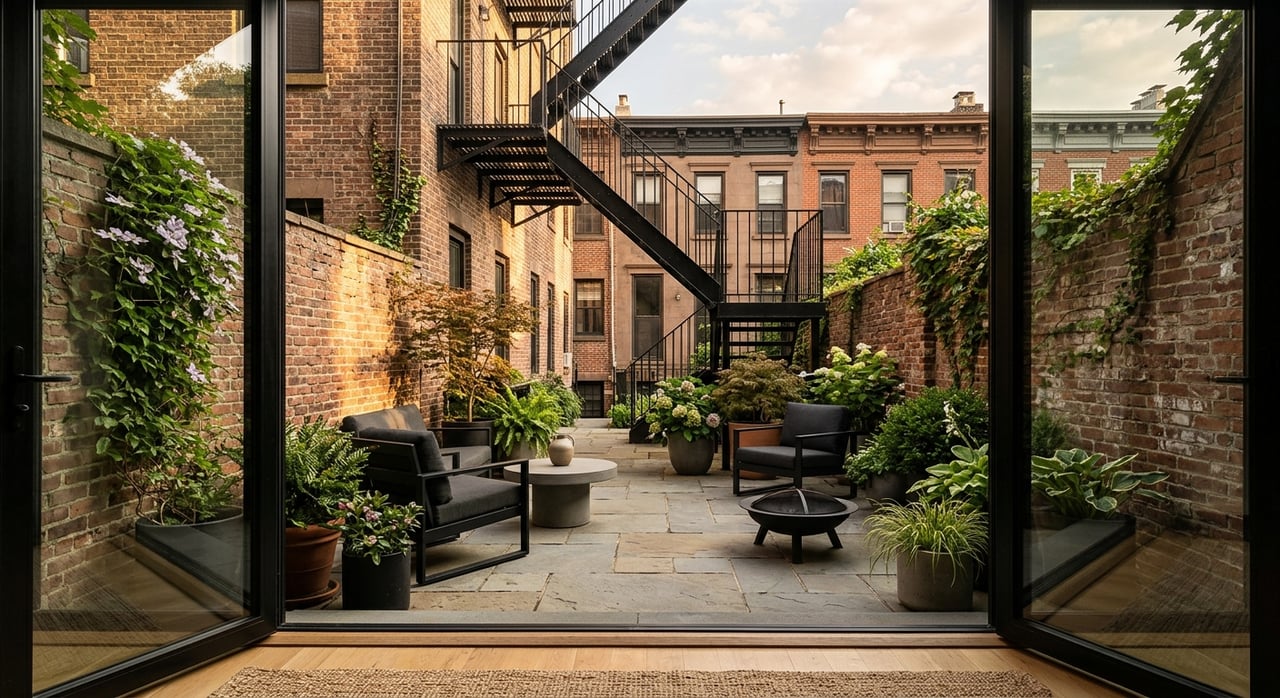
Prospect-Lefferts Gardens is known for a housing mix that feels distinctly Brooklyn. The neighborhood is heavily shaped by rowhouses, with older apartment buildings and attached homes throughout the area.
According to the NYC Landmarks Preservation Commission, the historic district is dominated by two- and three-story rowhouses, with larger freestanding and semi-detached homes mixed in. Much of the housing stock dates from the 1890s through the 1920s, which helps explain why buyers in PLG often choose between classic prewar apartments and historic townhouse-style properties.
StreetEasy also describes the area as a mix of single-family homes, limestone townhouses, and prewar apartment buildings. For you as a buyer, that means the neighborhood offers several ownership paths rather than one standard product.
PLG Price Ranges Vary By Property Type
One of the most useful ways to shop in Prospect-Lefferts Gardens is to compare homes by category first. Current neighborhood data shows a wide spread in asking prices depending on whether you are looking at a co-op, condo, or new development.
Here is a quick snapshot of median asking values in PLG:
| Property type | Median asking value |
|---|---|
| Condo studio | $350,000 |
| Condo 1-bedroom | $535,000 |
| Co-op 1-bedroom | $410,000 |
| Condo 2-bedroom | $729,000 |
| Co-op 2-bedroom | $835,000 |
| New development 1-bedroom | $610,000 |
| New development 2-bedroom | $1,072,500 |
| New development 3-bedroom | $1,395,000 |
These figures are helpful starting points, but they do not tell the full story. In PLG, your monthly carrying costs can change the picture just as much as the asking price.
Co-ops Offer A Classic Apartment Option
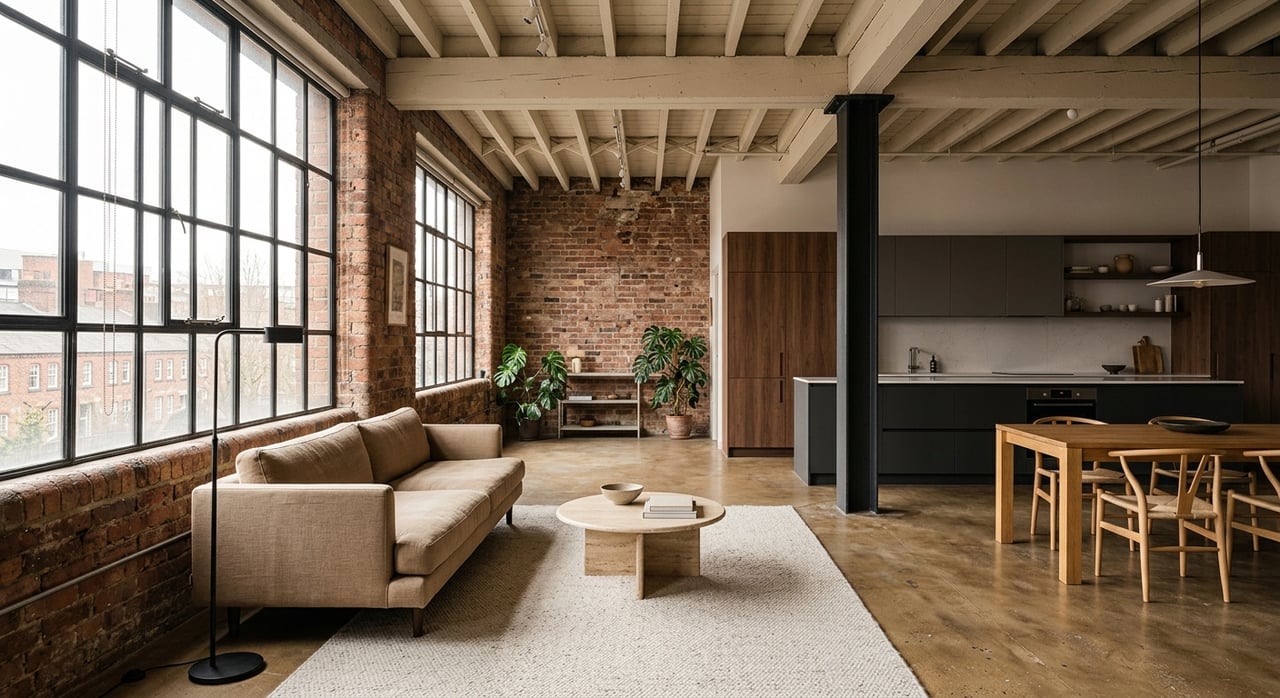
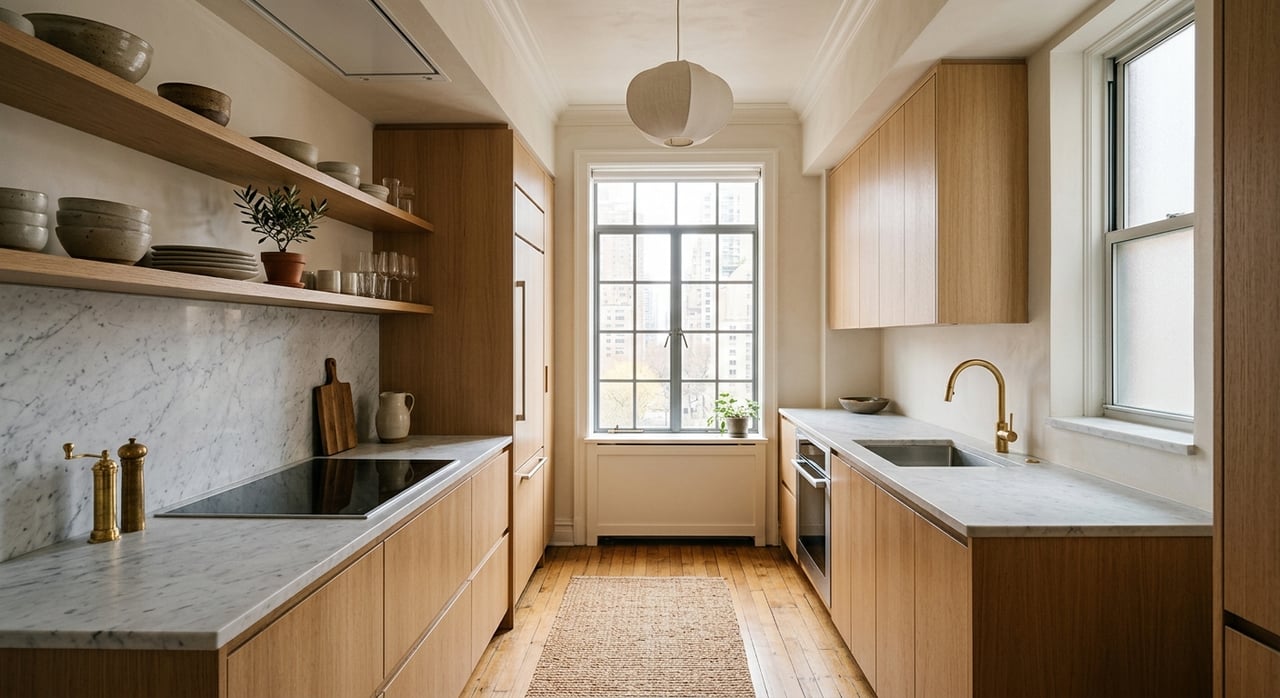
Prewar co-ops are one of the most established ownership types in Prospect-Lefferts Gardens. They often appeal to buyers who want an apartment-style home in a building with long-standing systems and shared management.
A current example is 163 Ocean Avenue, an 85-unit, 6-story co-op building from 1930. The building includes an elevator, bike room, laundry, and a live-in super, and a listed 2-bedroom is asking $835,000 with $790 per month in maintenance.
For many buyers, the most important co-op detail is how monthly costs work. In New York City, property taxes for a class 2 co-op are billed to the co-op board, and the board allocates those taxes to unit owners through maintenance or common charges.
That means you should look beyond the purchase price and focus on the full monthly carry. A co-op may look competitive at first glance, but your real comparison should include mortgage payment and maintenance together.
What To Know About Co-op Financing
Co-op financing is often more building-dependent than financing a house. Lenders review not only your finances, but also the co-op project itself.
Fannie Mae notes that lenders must determine co-op project acceptability, and the project must meet standards tied to finances and owner obligations. In practical terms, that can make co-op purchases more document-heavy and more centered on the building than other types of residential purchases.
If you are considering a co-op in PLG, it helps to be ready for extra paperwork and a review process that goes beyond your own loan file. That does not make co-ops a bad option, but it does mean you should plan for a different path than a townhouse or small multi-family purchase.
Condos Bring Flexibility And Amenities
Condos in Prospect-Lefferts Gardens often attract buyers who want a more conventional ownership structure and a newer building experience. In the current market, the median asking price is $535,000 for a 1-bedroom condo and $729,000 for a 2-bedroom condo.
New development tends to sit at a higher price point. Current neighborhood medians show $610,000 for a new-development 1-bedroom, $1,072,500 for a 2-bedroom, and $1,395,000 for a 3-bedroom.
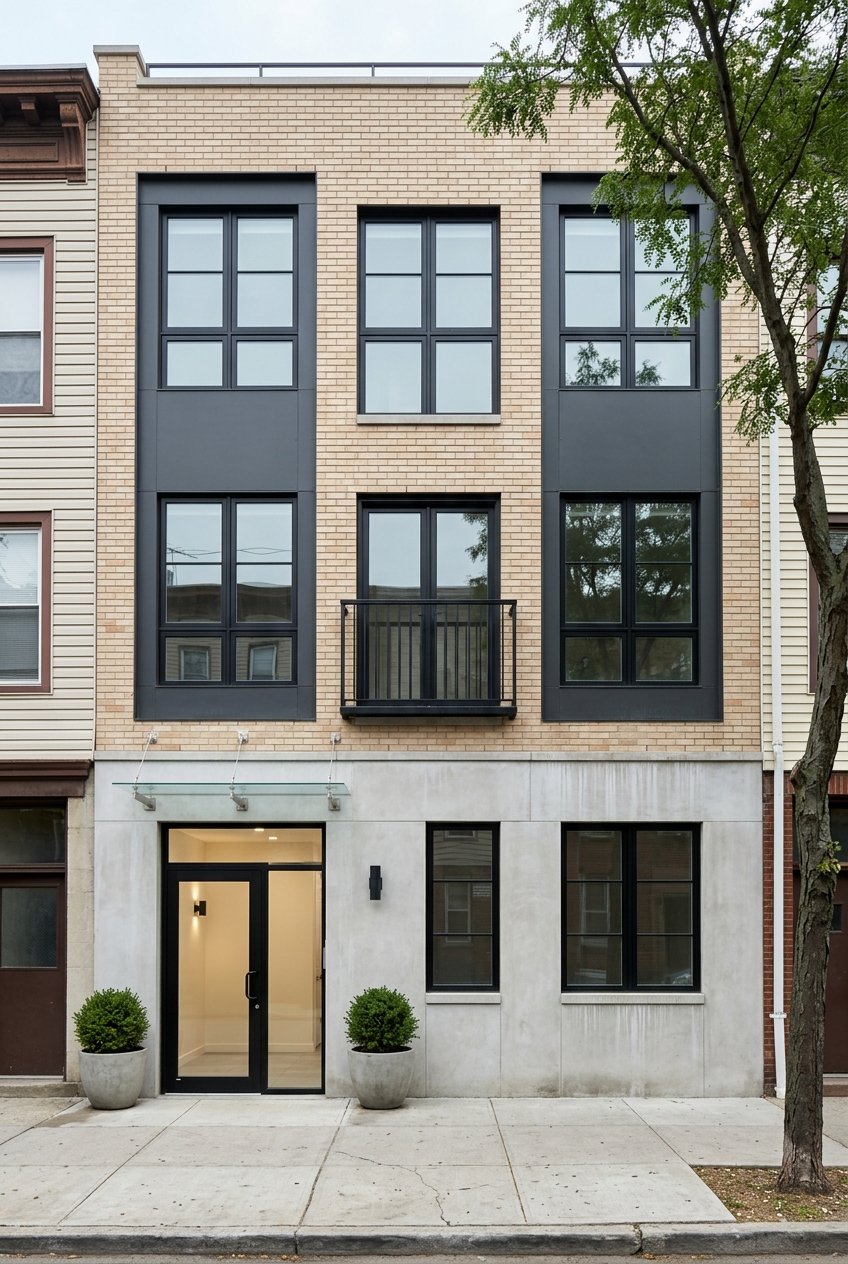
A current example is Calvert House at 625 New York Avenue, a 2025-built condo building with 49 units across 7 stories. Amenities listed there include concierge, doorman, elevator, package room, parking, storage, a playroom, gym, media room, garden, and roof deck.
The listed 3-bedroom at that building is asking $1,495,000, with $1,179 per month in common charges and $1,107 per month in taxes. That example shows why condo buyers in PLG need to budget carefully for both common charges and property taxes.
What To Know About Condo Financing
Condos can feel more straightforward than co-ops, but lenders still review the building or project. Fannie Mae says condo loans typically involve project questionnaires and project review tools before a loan is delivered.
So while condos are often seen as a more flexible ownership structure, they are not automatically simple from an underwriting standpoint. For you, the key takeaway is to budget time for both personal loan approval and project-level review.
Townhouses Offer Space And Direct Control
Townhouses are a major part of the Prospect-Lefferts Gardens identity. Because PLG is strongly rowhouse-oriented, this option matters for buyers who want more space, more privacy, and direct control over the property.
The Landmarks Preservation Commission describes the area as a strong example of late-19th- and early-20th-century rowhouse development. That historic character is part of what draws many buyers to the neighborhood in the first place.
A current example is 319 Hawthorne Street, an 1899-built, 2-story townhouse asking $2.395 million. The listing shows no common charges, with monthly taxes of $717, along with central air, in-unit laundry, and private outdoor space.
For some buyers, that no-common-charge structure is a major advantage. But it also means you are taking on more direct responsibility for the property, rather than sharing building operations through a board or condo association.
Small Multi-Family Homes Can Add Flexibility
If you want more space or are thinking about rental income potential, small multi-family properties are another important PLG category. Active inventory includes two-family homes, three-family homes, and mixed-use buildings.
Current examples include a two-family home at 277 Midwood Street asking $2.85 million with no common charges and $855 per month in taxes. Another two-family home at 85 Fenimore Street is listed at $1.75 million with no common charges and $607 per month in taxes.
There is also a three-family home at 29 Chester Court asking $1.6 million, along with a mixed-use building at 637 Rogers Avenue asking $1.95 million. These examples show how this category can serve different goals, including owner-occupant living or a setup with additional units.
Financing For Two- To Four-Unit Homes
Fannie Mae says it purchases or securitizes first-lien mortgages secured by residential properties with one to four units. That means two- and three-family homes can fit within conventional residential mortgage frameworks when the property and occupancy plan qualify.
For buyers, that makes small multi-family homes a realistic option rather than a niche one. Still, underwriting for a multi-family purchase is different from a co-op or condo purchase, so it helps to compare not just pricing but also loan structure and long-term ownership responsibilities.
Compare Monthly Costs, Not Just Asking Price
No matter which housing type you prefer, monthly cost is where PLG comparisons become real. Two properties with similar asking prices can feel very different once you add taxes, maintenance, or common charges.
A practical rule in Prospect-Lefferts Gardens is this:
- Co-ops usually bundle property taxes into maintenance
- Condos usually show taxes and common charges separately
- Houses, townhouses, and small multi-family homes generally show no common charges on the current listings reviewed
The Consumer Financial Protection Bureau says your total monthly home payment should include principal, interest, property taxes, homeowners insurance, flood insurance if needed, and HOA-style fees. That framework is especially useful in PLG, where the ownership structure can change your monthly budget as much as the purchase price itself.
Down Payment Planning Matters
Your down payment can also shape which PLG housing type feels realistic. Freddie Mac says down payments are commonly 5% to 20%, can be as low as 3%, and that loans with less than 20% down typically require private mortgage insurance until the borrower reaches 20% equity.
That matters whether you are comparing an entry-level condo, a prewar co-op, or a larger townhouse. Even before you start touring properties, it is smart to map out how your down payment and monthly carrying costs work together.
A NYC Tax Benefit Worth Knowing
If you are looking at a co-op or condo in New York City, the co-op and condo property-tax abatement may be worth asking about. NYC311 says the development applies on behalf of eligible units, the home must be the owner’s primary residence, and the abatement amount depends on average assessed value.
The current benefit range is 17.5% to 28.1%. While eligibility depends on the property and your use of it, this is one more reason to look closely at the total monthly numbers for any co-op or condo you are considering.
Which PLG Housing Type Fits You Best?
The right answer depends on what you value most. If you want an apartment with shared oversight and a traditional prewar feel, a co-op may fit. If you want amenities or newer finishes, a condo may make more sense.
If you want more space and direct control, a townhouse could be the better match. And if you want a property that may offer additional unit flexibility, a small multi-family home may be worth a closer look.
In a neighborhood like Prospect-Lefferts Gardens, choosing the right housing type is not just about style. It is about matching your budget, financing plan, and comfort level with ownership responsibilities.
If you want practical guidance as you compare co-ops, condos, townhouses, and multi-family options in Brooklyn, Parkview Terrace Realty offers hands-on support backed by local market knowledge and straightforward advice.
FAQs
What housing types can you buy in Prospect-Lefferts Gardens?
- Buyers in Prospect-Lefferts Gardens can find co-ops, condos, new-development units, townhouses, two-family homes, three-family homes, and some mixed-use properties.
What is the difference between a PLG co-op and a PLG condo?
- In PLG, co-ops usually fold property taxes into maintenance, while condos typically show property taxes and common charges separately.
What is a typical condo price in Prospect-Lefferts Gardens?
- Current median asking prices in PLG are $535,000 for a 1-bedroom condo and $729,000 for a 2-bedroom condo, with new-development units generally priced higher.
What is a typical co-op price in Prospect-Lefferts Gardens?
- Current median asking prices in PLG are $410,000 for a 1-bedroom co-op and $835,000 for a 2-bedroom co-op.
Are townhouses common in Prospect-Lefferts Gardens?
- Yes. Prospect-Lefferts Gardens is strongly shaped by historic rowhouse development, and townhouses are a key part of the neighborhood’s housing stock.
Can you finance a two-family or three-family home in Prospect-Lefferts Gardens?
- Two- and three-family homes can fit conventional residential mortgage frameworks when the property and occupancy plan qualify, but underwriting is different from a co-op or condo purchase.