Trying to choose the right home in Bushwick can feel harder than it looks. One block might offer a classic walk-up on a quieter side street, while the next puts you near a loft conversion or a newer building close to the train. If you want a clearer way to compare your options, this guide will help you understand how Bushwick’s housing types fit different priorities and daily routines. Let’s dive in.
Bushwick Has More Than One Housing Story
Bushwick is not a one-style neighborhood. City planning materials describe it as a largely residential part of Brooklyn with many owner-occupied two- and three-family rowhouses, active commercial corridors in western Bushwick, and a large stock of multifamily housing.
That mix helps explain why your search can feel so varied. Older walk-ups, loft-style buildings, and newer projects now sit side by side, with more than 6,600 housing units added since 2000, much of it market-rate. In real life, that means you are often choosing not just a home, but a version of Bushwick living.
Why Bushwick Feels So Layered
Bushwick grew quickly in the late 19th and early 20th centuries, when two- to six-family homes spread across the area and industrial uses were also part of the neighborhood’s growth. That history still shows up today in the built environment.
Current city planning also aims to preserve side-street character while directing growth to appropriate areas. So if Bushwick feels like a neighborhood of different housing layers rather than one uniform look, that is because it is.
Classic Walk-Ups Offer A Neighborhood Feel
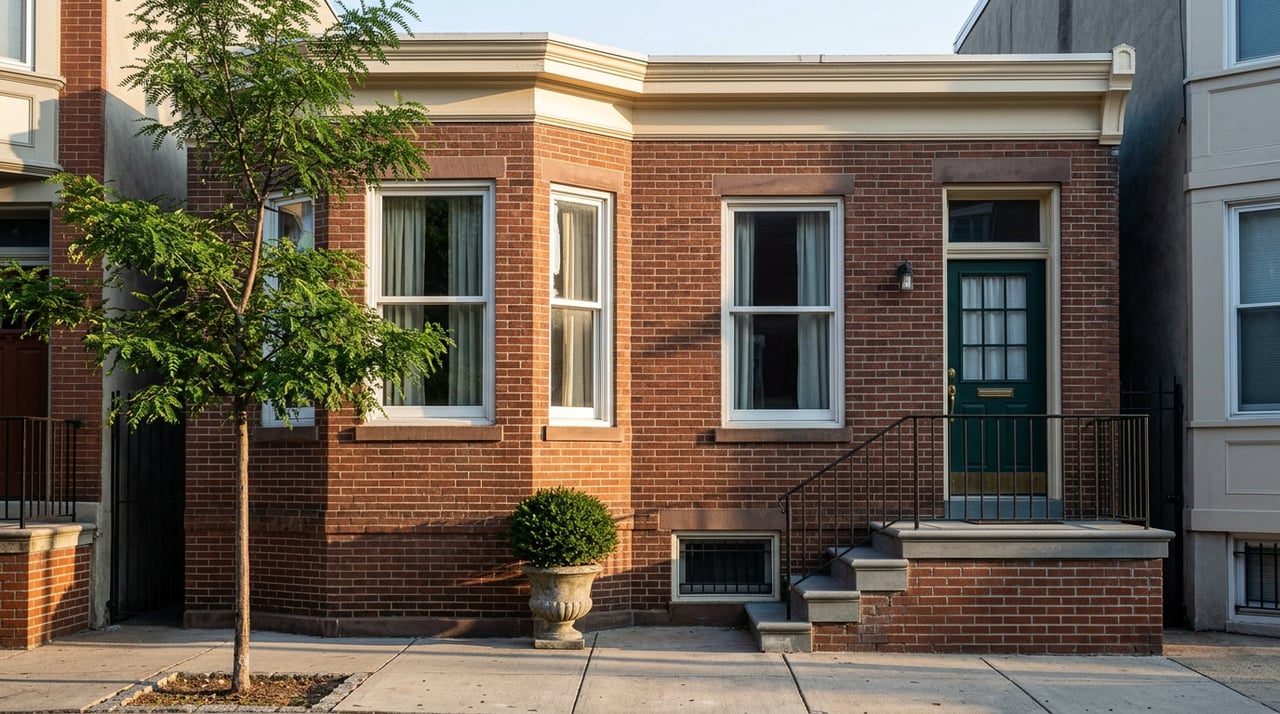
If you picture Bushwick as tree-lined blocks, attached homes, and a more sidewalk-level experience, a classic walk-up may feel like the most natural fit. These homes are often tied to the neighborhood’s low-rise rowhouse form and smaller multifamily buildings rather than large amenity-driven towers.
For many buyers and renters, that can mean a more grounded day-to-day routine. You may get a home on a quieter side street, a building with fewer units, and a living experience that feels closely connected to the block around you.
What To Expect In A Walk-Up
Walk-ups often come with tradeoffs that are easy to overlook during a quick showing. Stairs are part of daily life, and building features may feel less standardized from one property to another.
At the same time, many people like the rhythm of this housing type. If you care most about neighborhood texture, a side-street setting, and a distinctly residential feel, this category is often where your search starts.
Who May Prefer A Walk-Up
A walk-up may be worth a closer look if you want:
- A more traditional Bushwick block feel
- A home that may sit farther from the busiest corridors
- A smaller-building environment
- Day-to-day living that feels connected to rowhouse streets
For many people, this is the housing type that feels most distinctly Bushwick, especially when the goal is to live within the neighborhood’s residential core.
Converted Lofts Reflect Bushwick’s Industrial Past
Lofts in Bushwick make sense once you understand the neighborhood’s industrial history. Planning documents connect parts of Bushwick to industrial districts, and the city’s manufacturing framework notes that M1 districts can include multistory lofts as well as warehouses.
The city’s Loft Law also regulates the legal conversion of certain former commercial or manufacturing buildings into residential use, with code-compliance requirements. That is one reason Bushwick lofts can feel different from both rowhouse apartments and purpose-built new rentals.
What Makes A Loft Feel Different
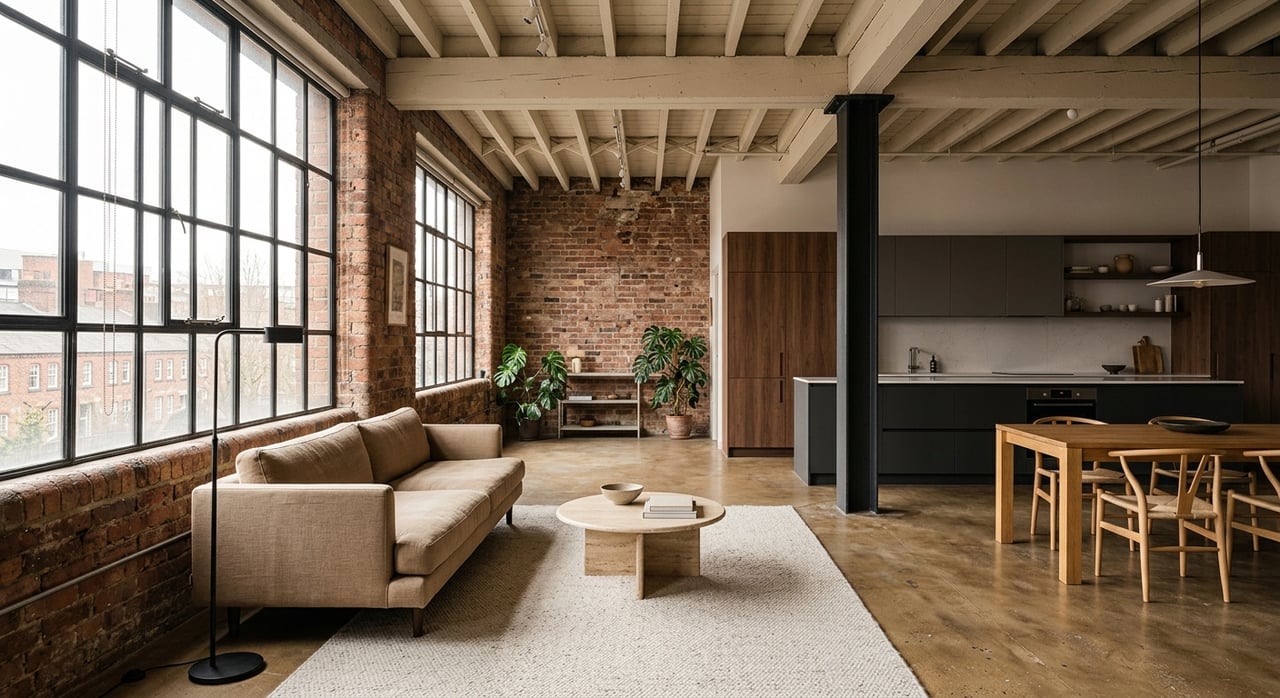
In practical terms, loft living often suggests more open volume, flexible room arrangement, and a creative, studio-like atmosphere. That kind of layout can feel airy and visually striking, especially if you want a home that does not read like a standard apartment.
Still, lofts can vary more than newer buildings. Fit-out, sound control, and building systems may differ from property to property, so it helps to compare each one carefully instead of assuming every loft offers the same experience.
Who May Like Loft Living
A loft may be a strong match if you are looking for:
- Open layouts with flexible use of space
- A home tied to Bushwick’s industrial building history
- A more distinctive layout than a conventional apartment
- A setting that may feel close to active corridors or mixed-use areas
If you want character first and are comfortable with some variation between buildings, lofts can be one of Bushwick’s most memorable options.
New Builds Bring More Predictability
If your priority is consistency, newer rentals and condos often offer the clearest comparison point. City planning supports higher-density mixed-use housing near transit, and recent development in Bushwick includes new construction projects with apartment types ranging from studios to three-bedrooms.
A 2024 housing lottery at 15 Montieth Street is one current example of new construction in the area. City housing guidelines for new construction also require modern green-building standards, which supports the general expectation that newer buildings tend to have newer systems and more standardized layouts.
What Newer Buildings Often Offer
Newer buildings are usually the easiest category to understand during a home search. Floor plans and finishes may feel more predictable from one unit to the next, which can make comparison shopping simpler.
They are also more likely to be tied to Bushwick’s transit-adjacent growth areas. That can be a major plus if your schedule depends on quick access to subway lines or bus routes.
Who May Prefer A New Build
A newer rental or condo may suit you if you want:
- More standardized layouts
- Newer building systems
- Housing near transit-focused growth areas
- A simpler compare-and-contrast process during your search
If you value convenience and predictability over older-building character, new construction may give you the cleanest fit.
Transit Access Shapes The Search
Bushwick is well served by the J, M, Z, and L subway lines, along with more than nine bus routes. Because of that, homes near transit corridors often draw attention from renters, first-time buyers, and people who want a smoother daily commute.
That convenience can shape the feel of your home as much as the floor plan does. In Bushwick, being close to transit often means weighing access against factors like street activity, overhead infrastructure, and the overall pace of the block.
Corridors And Side Streets Feel Different
City planning materials specifically discuss improvements along Broadway and Myrtle Avenue under the elevated trains, including lighting improvements near Myrtle Avenue station areas. That points to a real difference between homes on major corridors and homes on side streets.
In general, corridor-facing lofts and newer buildings may feel more plugged into transit and street life. Side-street walk-ups may feel calmer, though the experience can vary from block to block.
Light And Noise Matter More Than Labels
Many buyers and renters start with a housing type, but your day-to-day comfort often comes down to details inside the building and on the block. In Bushwick, light and noise can change quickly depending on floor height, orientation, and how close you are to elevated infrastructure or busy commercial areas.
That is why the best apartment for you may not be the one that looks best on paper. A loft may feel brighter because of open volume, and a newer building may feel more open, but those are not guarantees. The actual unit still matters most.
Questions Worth Asking On A Tour
As you compare homes, keep your focus on how the apartment lives, not just how it is marketed. A few practical questions can help you narrow your fit faster.
Ask yourself:
- Is the unit on a side street or a major corridor?
- How much natural light reaches the living space?
- Do you hear trains, buses, or heavy street activity from inside?
- Does the layout match how you actually live and work?
- How long is the walk to the nearest subway or bus stop?
These basics can tell you more than a label like “loft” or “new build” ever will.
Daily Amenities Help Define Fit
Your housing choice is also about what happens outside your front door. Bushwick’s neighborhood plan points to a strong local amenities base, including 14 parks and playgrounds, a major hospital, and three public housing developments.
Named park anchors include Maria Hernandez Park and Irving Square Park, and the area also includes community gardens, playgrounds, and smaller public spaces. For many people, these day-to-day amenities shape quality of life just as much as square footage does.
Everyday Services To Keep In Mind
Bushwick also includes important civic and public services that support daily life. Bushwick Library is located at 340 Bushwick Avenue and is currently under renovation, with bookmobile service and neighborhood programming continuing during the closure.
The neighborhood also has NYC Health + Hospitals/Gotham Health at 335 Central Avenue, and Woodhull serves North Brooklyn residents, including Bushwick. If you are comparing blocks, it helps to think beyond the apartment and consider how errands, transit, health care, and green space fit into your routine.
How To Choose The Right Bushwick Fit
The best Bushwick home is usually the one that matches your priorities honestly. If you want neighborhood texture and a quieter side-street feel, start with classic walk-ups. If you want open volume and industrial character, look closely at lofts. If you want consistency and a more standardized package, newer buildings may make the most sense.
There is no single right answer, because Bushwick offers more than one way to live. The key is to compare each option through the lens of your real schedule, comfort level, and daily habits.
If you want practical guidance as you compare homes in Brooklyn, Parkview Terrace Realty offers hands-on, neighborhood-focused service to help you sort through the options and move with clarity.
FAQs
What types of homes can you find in Bushwick?
- Bushwick includes classic walk-ups, rowhouse-based apartments, loft-style homes connected to former industrial buildings, and newer rental or condo projects, with different mixes depending on the block and transit access.
What is the difference between a Bushwick walk-up and a Bushwick loft?
- A Bushwick walk-up often feels more tied to residential side streets and smaller buildings, while a Bushwick loft usually reflects the neighborhood’s industrial past with more open layouts and greater variation from building to building.
Are newer Bushwick buildings usually close to transit?
- Often, yes. City planning supports higher-density housing near transit, so newer buildings are commonly associated with transit-adjacent growth areas, though exact access still depends on the specific property.
Which Bushwick homes may feel quieter day to day?
- In general, side-street walk-ups or homes set back from elevated train corridors may feel quieter, but noise can vary block by block and unit by unit.
What should you check when touring a Bushwick apartment?
- Pay close attention to light, noise, street activity, layout, and distance to trains or buses, since those factors often affect daily comfort more than the housing label itself.
What local amenities shape daily life in Bushwick?
- Bushwick has 14 parks and playgrounds, including Maria Hernandez Park and Irving Square Park, along with health care services, transit access, and library programming that all contribute to the neighborhood experience.