If you own or plan to buy a rental property in Brownsville, you are not stepping into a slow market. You are stepping into a renter-heavy neighborhood where demand is strong, but expectations around price, upkeep, and day-to-day management are very real. When you understand what drives this market, you can make better decisions about budgeting, tenant placement, and long-term ownership. Let’s dive in.
Brownsville is a renter-driven market
Brownsville, part of Brooklyn Community District 16, is overwhelmingly renter-based. More than 80% of households are renters, and many are cost-burdened, with over half spending a large share of income on housing. That tells you something important right away: affordability matters here, and renters are often making careful value-based decisions.
For an owner, that usually means demand is not the main challenge. New York City’s 2023 rental vacancy rate was 1.41%, with a stabilized vacancy rate of 0.98%, which points to a very tight market citywide. In Brownsville, the bigger issue is often how quickly you can re-rent a unit and whether your pricing, building condition, and communication line up with what renters expect.
What Brownsville housing stock looks like
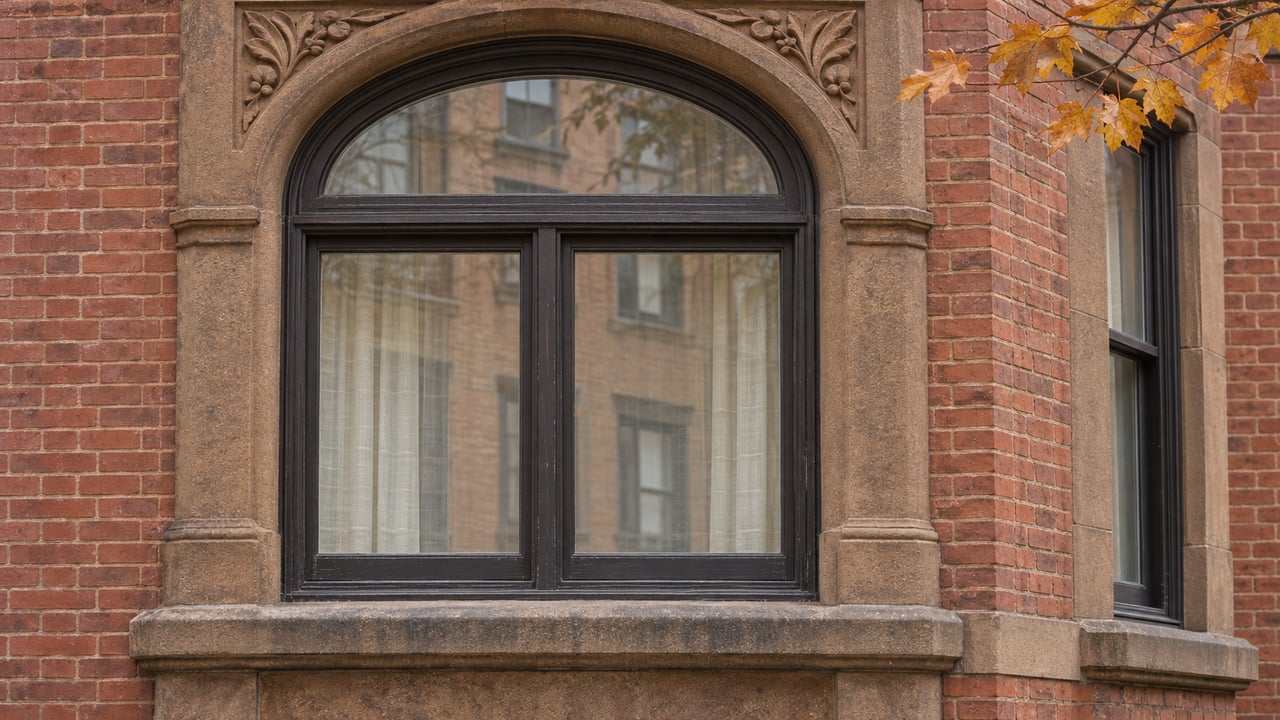
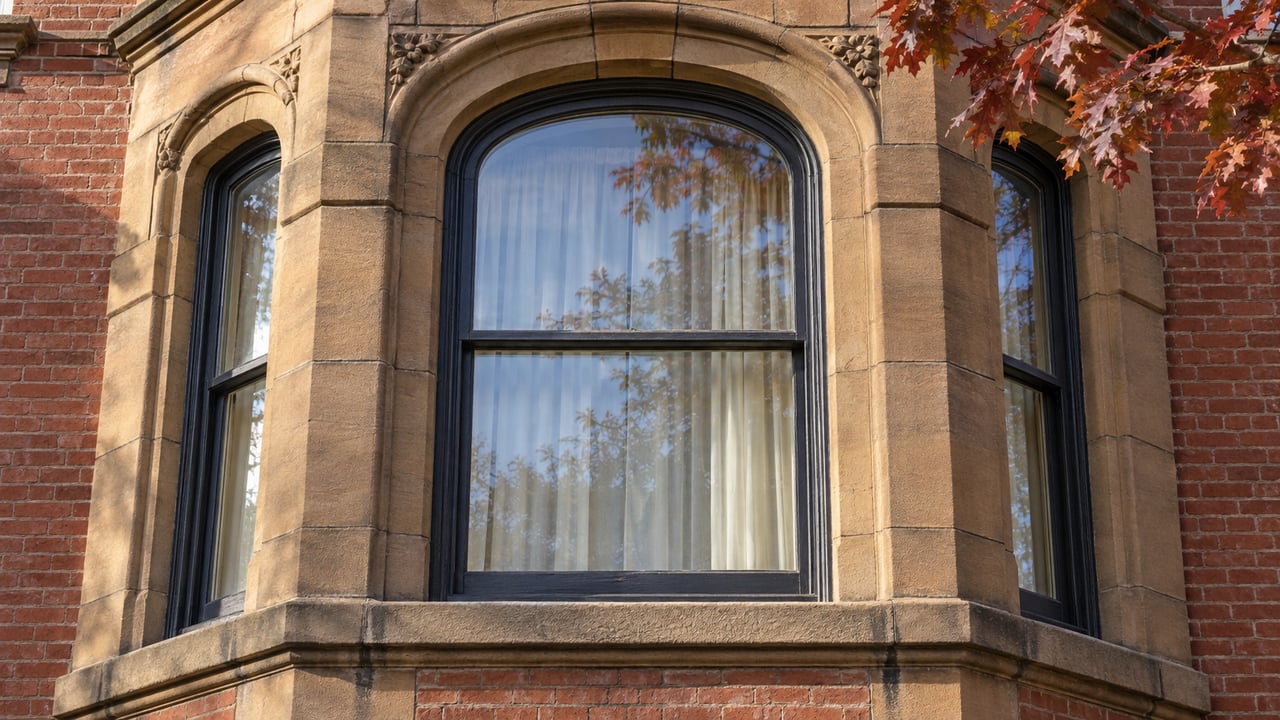
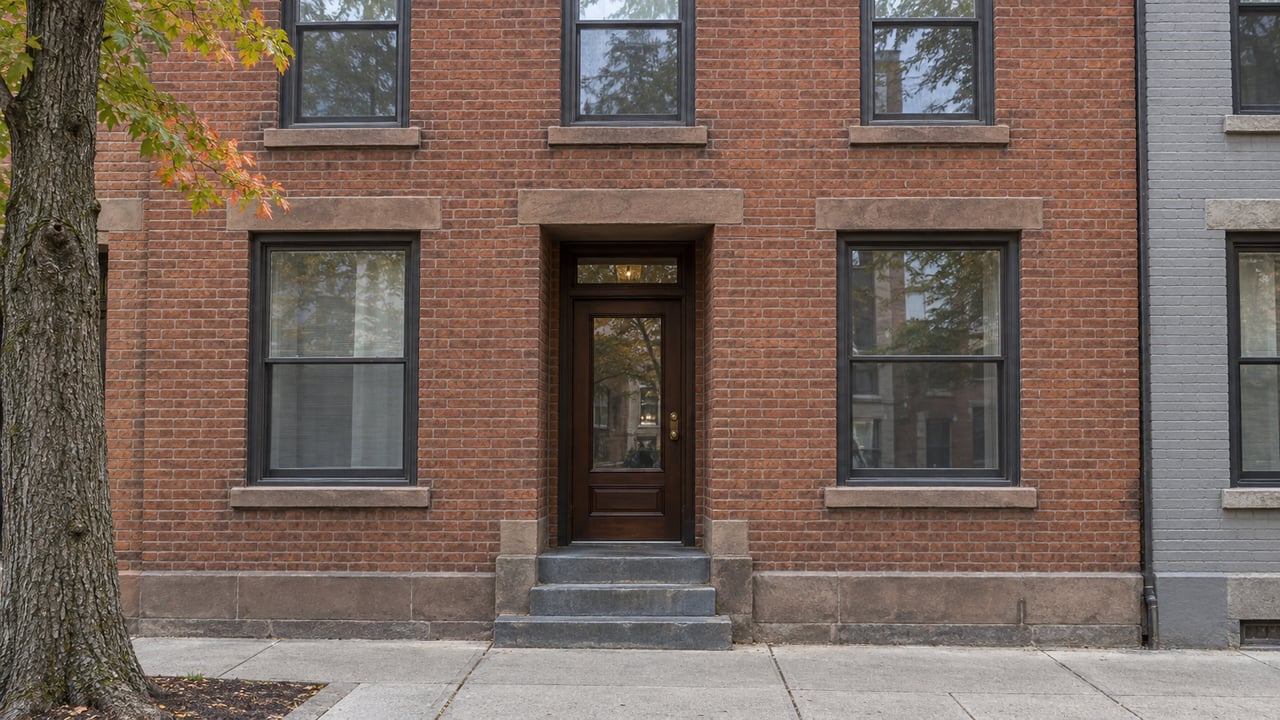
Brownsville is not a one-size-fits-all rental market. The neighborhood includes small multifamily buildings, attached properties, mixed-use corridors, and large NYCHA campuses. That variety affects how owners compete, how tenants compare options, and how each building fits into the local market.
City planning documents describe much of the area as medium-density, with zoning that supports small multifamily buildings on relatively small lots. Other areas include forms that place buildings closer to the street with higher lot coverage. In practical terms, your property may be competing with very different building types depending on where it sits and what kind of renter you want to attract.
Commercial corridors support daily life
Brownsville’s major local corridors include Pitkin Avenue and Rockaway Avenue. These areas serve everyday neighborhood needs such as grocery shopping, food service, and personal errands. For renters, that kind of convenience can matter just as much as an in-unit upgrade.
If your property is close to these daily-use corridors, that can support rental appeal. It does not mean you should overprice a unit, but it does help explain why practical location features often carry real weight in leasing decisions.
What renters tend to care about most
In Brownsville, renters are likely to focus on the basics that shape everyday life. That includes dependable transit access, responsive repairs, clean common areas, working building systems, and access to neighborhood services. In a price-sensitive market, those fundamentals often matter more than luxury finishes.
That does not mean improvements have no value. It means the best returns often come from functional upgrades, strong maintenance habits, and a smooth tenant experience. A clean, well-run building with fair pricing can stand out quickly.
Transit is a major demand driver
Brownsville benefits from strong transit access. About 66% of workers in the district commute by subway or bus, and the broader area is served by the 3, J, Z, C, A, and L trains, plus the East New York LIRR station. The Brownsville Plan also highlights the elevator and free connection between the 3 and L trains at Junius Street and Livonia Avenue.
For owners, this matters because many renters structure their housing search around commute reliability. If your property has practical access to transit, that should shape how you position the unit in the market and how you talk about convenience.
Parks and local services add value
Brownsville has limited parkland by area, but 91% of residents live within a five-minute walk of a park. Local facilities include Betsy Head Park and Pool, Betsy Head Playground, and the Brownsville Recreation Center Pool. These are part of the neighborhood’s daily livability and can help support steady rental demand.
The neighborhood also has active public health and service infrastructure. The Brownsville Neighborhood Health Action Center offers primary care and wellness programming, and city food-access efforts serve the area as well. These practical amenities matter because renters often evaluate a neighborhood based on how well it supports everyday routines.
Ongoing neighborhood investment matters
Brownsville is seeing major public investment through the Brownsville Plan. According to HPD, the plan coordinates more than $150 million in city investments and includes over 2,500 new affordable homes, park renovations, open-space improvements on NYCHA campuses, a teen community center, and a Neighborhood Health Action Center.
The plan also highlights mixed-use development along Livonia Avenue, New Lots Avenue, Hegeman Avenue, Rockaway Avenue, and Mother Gaston Boulevard, along with a commercial revitalization pilot on Belmont Avenue. For owners, this suggests Brownsville is a neighborhood where long-term management and local awareness matter. Public investment does not remove ownership challenges, but it can support neighborhood stability and daily convenience over time.
What operating costs to expect
Owning rental property in Brownsville means staying realistic about recurring costs. The main categories include property taxes, insurance, utilities, maintenance, and management or administrative expenses. In New York City, these costs can add up quickly, especially if repairs are delayed and become more expensive later.
Property taxes deserve close attention. Most rental properties fall into Class 2, and the city calculates those taxes differently than Class 1 homes. Bills are due quarterly or semiannually depending on assessed value, so you should build tax payments into your regular cash flow planning instead of treating them as a once-a-year event.
Maintenance is not optional here
In a neighborhood where renters are price-sensitive and housing choices are compared closely, deferred maintenance can cost you more than the repair itself. Slow responses, worn common areas, and unresolved building issues can make turnover harder and may affect how fast a vacant unit gets leased.
A proactive maintenance plan usually works better than a reactive one. Routine repairs, clean hallways, secure entry conditions, and documented work can help protect both tenant relationships and the property’s income potential.
Compliance is a core part of ownership
If you own rental property in Brownsville, compliance is not a side issue. It is part of normal operations. Owners of buildings with rent-stabilized apartments must file apartment registrations with DHCR and provide each tenant with a copy for their unit.
In New York City, owners of residential buildings that are multiple dwellings, or certain one- and two-family homes where the owner does not live in the building, must also register the building annually with HPD. Starting January 26, 2026, multiple dwellings containing rent-stabilized units must post a rent-transparency notice in English and Spanish that includes the building address and property registration number.
Documentation should stay organized
Good recordkeeping can make ownership smoother. Leases, registrations, notices, rent histories, repair logs, vendor receipts, and photos of completed work all support better day-to-day management. In a market with recurring notice and registration requirements, organized files are simply part of running the property well.
This also helps when questions come up during tenant turnover, expense tracking, or future sale planning. Strong documentation supports clarity, and clarity saves time.
Rent-stabilized owners should plan carefully
If your building includes rent-stabilized units, annual rent growth may not be the tool you rely on most. The city’s current guidance says the 2026 to 2027 vote froze increases for one- and two-year stabilized leases commencing between October 1, 2026 and September 30, 2027.
That means cash flow may depend more on operating discipline than on raising rent. Controlling avoidable expenses, reducing vacancy time, and keeping tenants in well-managed units can matter even more in stabilized properties.
Vacancy risk is more about execution than demand
Brownsville’s broad rental picture points to strong demand, but that does not mean every vacant unit leases itself. In a neighborhood where many renters are cost-burdened, people tend to pay close attention to value. If a unit is overpriced, poorly maintained, or badly presented, it may sit longer than you expect even in a tight market.
The good news is that the basics are clear. Well-maintained units, practical pricing, clean presentation, and responsive communication are likely to give you the best chance of minimizing downtime between tenants.
What this means for owners and investors
Brownsville can be a practical rental market for owners who treat it like an operating business, not a passive asset. The neighborhood’s renter-heavy makeup, tight citywide vacancy conditions, and ongoing public investment all support the case for demand. At the same time, affordability pressure, compliance requirements, and maintenance expectations mean execution matters.
If you are buying, holding, or preparing to lease a property here, focus on the fundamentals. Know your costs, stay current on registration rules, keep the building functional, and price with the neighborhood in mind. That approach is usually more durable than chasing cosmetic trends.
If you want practical guidance on leasing, selling, or evaluating a multi-family property in Brooklyn, Parkview Terrace Realty offers hands-on, neighborhood-focused support backed by real transaction experience.
FAQs
What should rental owners expect from Brownsville tenant demand?
- Brownsville is a renter-heavy neighborhood with strong demand, but tenants are often price-sensitive, so owners should expect value, upkeep, and responsive management to matter.
What types of rental buildings are common in Brownsville?
- Brownsville includes small multifamily properties, attached buildings, mixed-use corridors, and large public housing campuses, so owners compete within a varied housing stock.
What costs matter most when owning rental property in Brownsville?
- Property taxes, insurance, utilities, maintenance, and administrative or management expenses are key costs, with taxes and repairs often having the biggest impact on cash flow.
What compliance steps should Brownsville rental owners track?
- Owners may need annual HPD registration for qualifying buildings, DHCR apartment registration for rent-stabilized units, and, starting January 26, 2026, rent-transparency posting requirements for qualifying multiple dwellings.
What helps reduce vacancy time for a Brownsville rental unit?
- Practical pricing, clean presentation, responsive repairs, organized documentation, and a well-maintained building usually give owners the best chance of re-renting quickly.