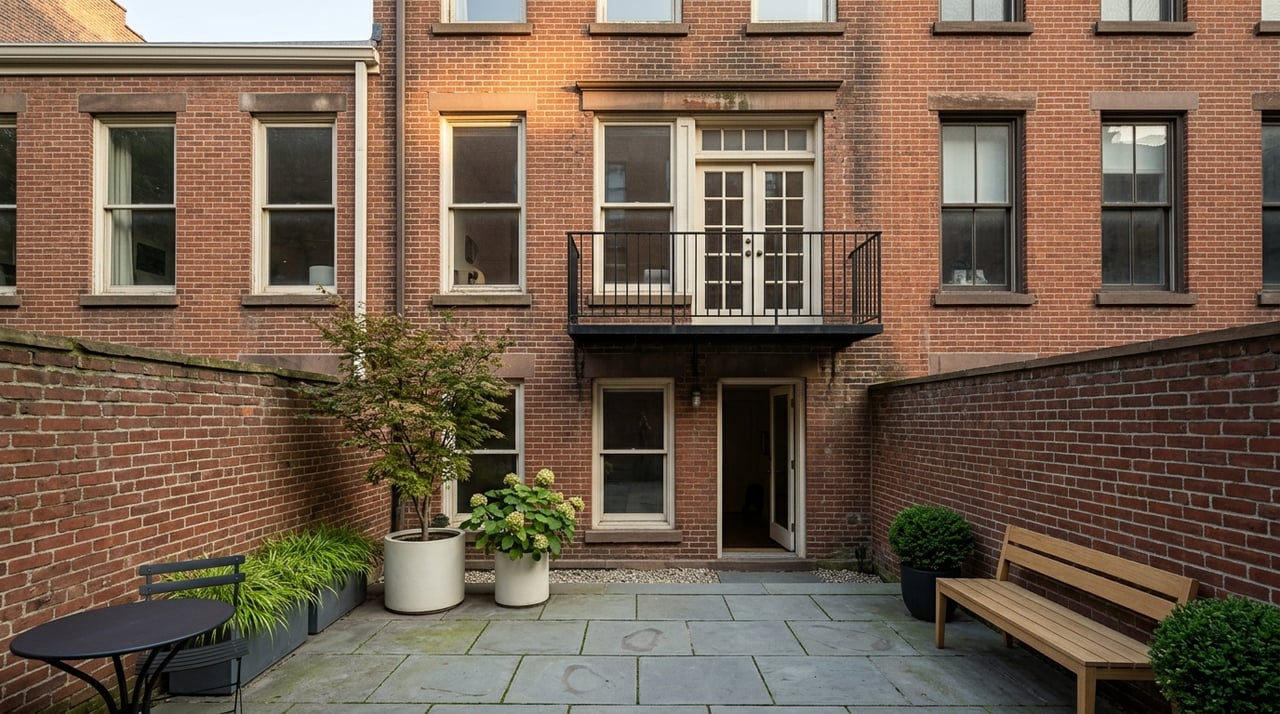
You are not just buying a home when you buy a brownstone in Bedford-Stuyvesant. You are buying into a building type with history, character, and a very specific set of rules and realities. If you are hoping for classic Brooklyn charm, flexible living space, or rental income potential, this guide will help you understand what to check before you make an offer. Let’s dive in.
Why Bed-Stuy Brownstones Stand Out
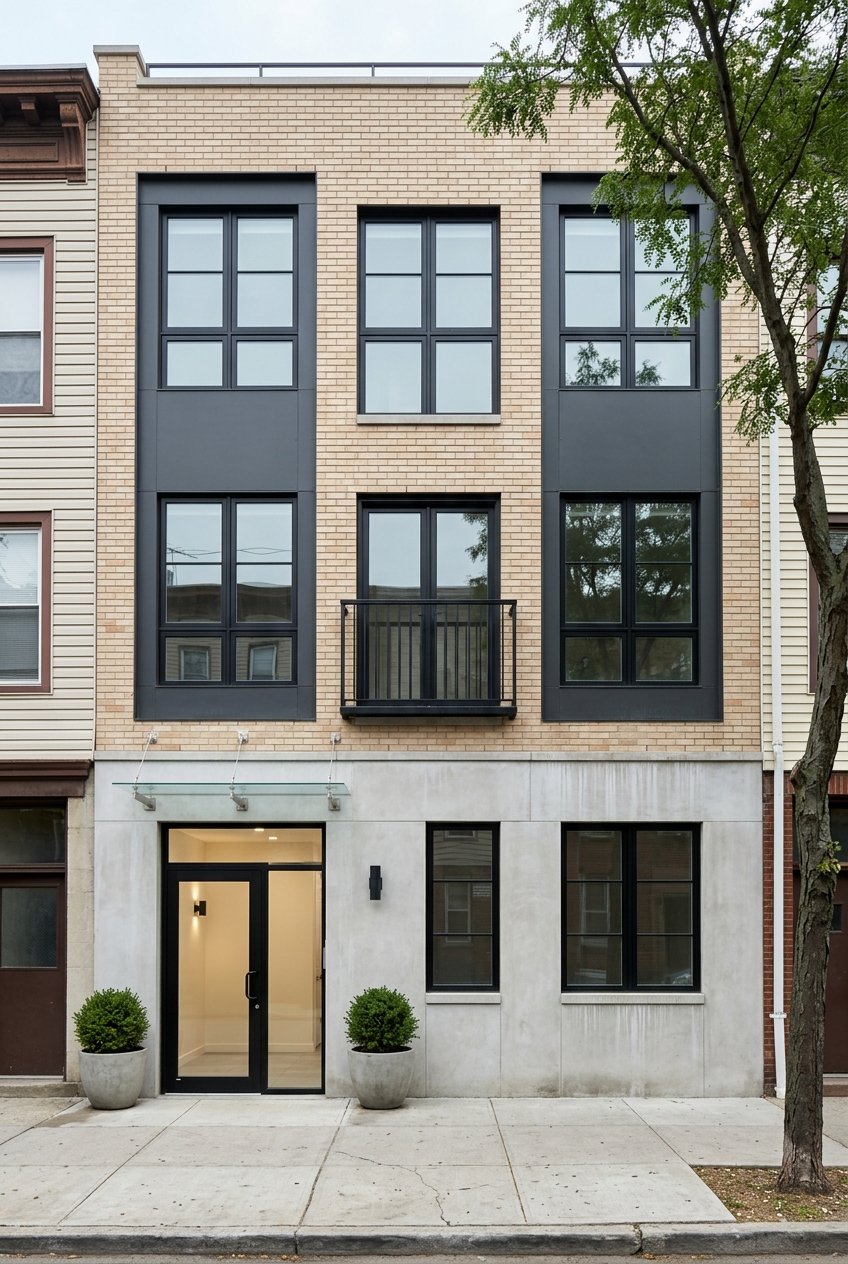
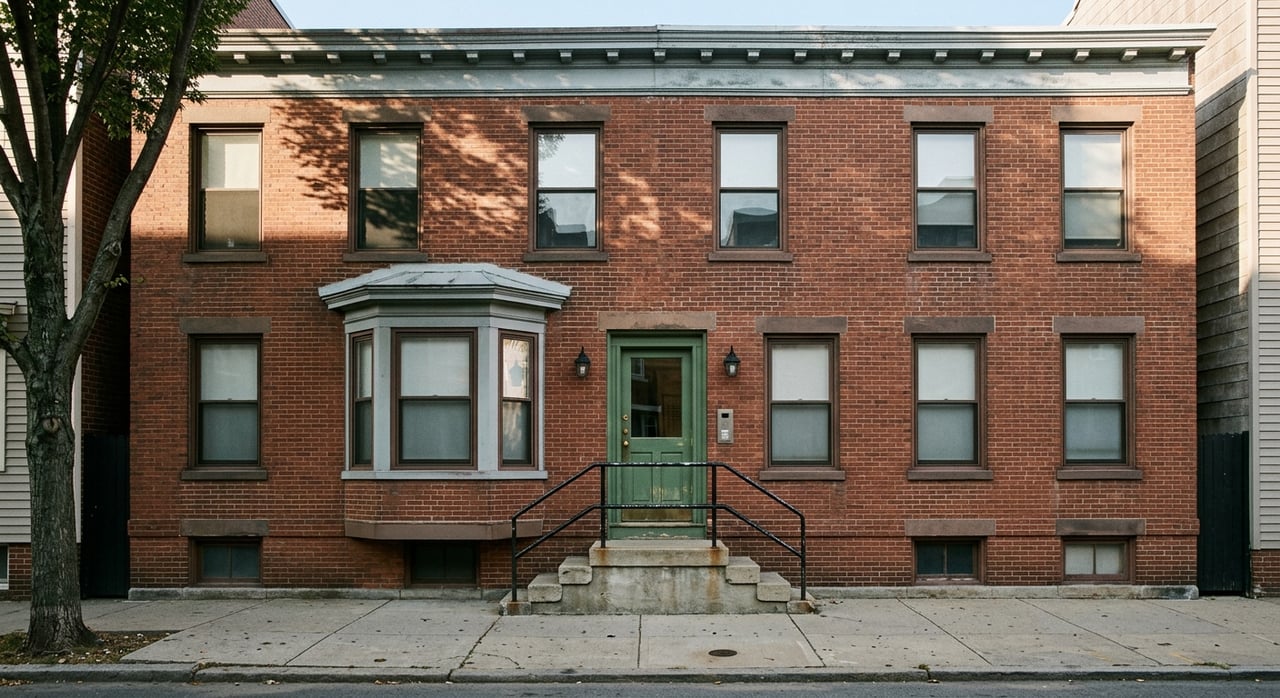
Bedford-Stuyvesant is known for its rows of late-19th-century attached homes. City Planning materials describe central Bed-Stuy as an area with a high concentration of multi-family, three- to four-story attached row houses. The Bedford Historic District report alone covers more than 800 buildings, and several landmark areas are recognized in the neighborhood.
That matters because many buyers are not choosing between a brownstone and a standard house. In Bed-Stuy, you are often looking at a building that may function more like a multi-unit property, with different floors used in different ways over time. That can create opportunity, but it also means you need to verify the facts carefully.
Know the Layout Versus Legal Use
One of the biggest mistakes buyers make is assuming the current setup tells the full story. In Bed-Stuy, brownstones are often marketed as two-family or three-family homes, or as layouts like an owner’s duplex with a garden rental, an owner’s triplex, or a garden-parlor duplex.
Those layouts may be attractive, especially if you want extra space or hope to offset costs with rental income. But the marketed layout and the legal use are not always the same. Before you rely on a certain unit count or rental setup, confirm the approved occupancy and legal configuration through NYC Buildings records.
According to the NYC Department of Buildings, a Certificate of Occupancy states the legal use and permitted occupancy of a building. For buildings constructed before 1938, a Certificate of Occupancy may not exist unless later alterations changed the use, egress, or occupancy. In those cases, a Letter of No Objection may be used to confirm legal use.
What to verify before you buy:
- Legal unit count
- Whether a Certificate of Occupancy exists
- Whether a pre-1938 building has a Letter of No Objection
- Whether prior conversions or alterations were properly approved
- Whether the current layout matches legal records
If these details are off, financing, insurance, renovation plans, and future resale can all get more complicated.
Check if the Brownstone Is Landmarked
Many Bed-Stuy brownstones sit within historic districts. That can be a major part of the appeal, but it also affects what you can do to the exterior of the property.
The NYC Landmarks Preservation Commission says exterior work on a landmarked building or a building in a historic district requires a permit for restoration, in-kind replacement, alteration, reconstruction, demolition, or new construction. This can apply even when the exterior work is not visible from the street.
For buyers, this is more than a technical detail. If the home needs facade work, stoop repairs, window replacement, roof changes, or an addition, you may face extra review, more paperwork, longer timelines, and higher costs.
What landmark rules mean in practice
LPC review does not mean you cannot improve the property. It means exterior changes must be reviewed for how they fit the building and district character. Many approvals happen at the staff level, while projects outside staff-level rules may go to a public hearing.
That is why it is smart to ask not only whether the building is in a historic district, but also what exterior work has been done recently and whether permits were issued. A nice-looking update is not enough if it was not properly approved.
Focus on Condition Early
Brownstones can offer space and architectural character that is hard to find elsewhere in Brooklyn. They can also come with older systems and more maintenance than a condo or co-op.
A careful inspection is one of the most important steps in the process. Common trouble spots in older brownstones include the facade, foundation or cellar, water infiltration, roof, plumbing, electrical systems, HVAC, insulation, and signs of patchwork renovations done over time.
Pay close attention to water and masonry
The exterior is not just cosmetic. Brownstone stone is porous and can deteriorate over time. Mortar can weaken, and moisture can work its way into the structure.
Cellars and foundation areas are especially important to inspect because they are vulnerable to moisture issues. Roof drainage, flashing, and chimney conditions also matter, since water intrusion from above can damage multiple levels of the house.
Watch for mixed-age systems
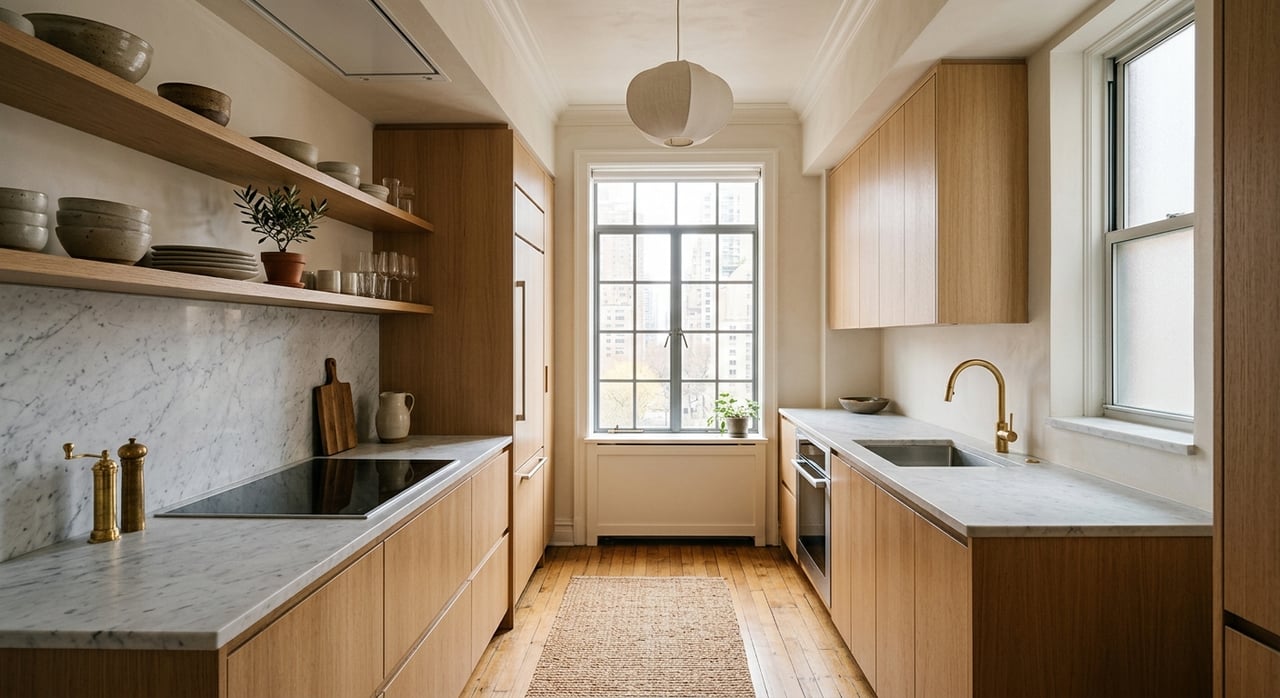
Many Bed-Stuy brownstones have been updated in stages. You may see a renovated kitchen and newer finishes, but older plumbing, electrical, or heating components behind the walls or in utility areas.
That does not automatically make a property a bad buy. It does mean you should evaluate whether the systems are modern enough for your intended use and whether any upgrades will be needed soon after closing.
Open Violations Can Affect the Deal
In an older Brooklyn property, paperwork matters almost as much as condition. The NYC Department of Buildings says open violations can prevent a property from being sold or refinanced, and a Certificate of Occupancy cannot be issued while open applications or violations remain.
That means you should not treat violations, open permits, or unpermitted work as minor side issues. They can delay closing, create lender concerns, and affect what you can do with the building after purchase.
Ask for clarity on:
- Open DOB violations
- Open permits
- Unpermitted renovations
- Incomplete alteration filings
- Occupancy documents tied to current use
If you are buying for flexibility, rental income, or future renovation potential, these records are essential.
Financing a Bed-Stuy Brownstone
Financing a brownstone is often more involved than financing a move-in-ready apartment. If the building needs repairs or has documentation issues, your lender may require extra reserves, added review, or a different loan structure.
This is especially important if you are considering a two- to four-family property. A lender may view legal occupancy, condition, and renovation scope very differently depending on how the building is documented.
Renovation loan options to ask about
If the brownstone needs work, there are financing programs that may help. HUD’s Section 203(k) program can combine the purchase or refinance of a home with rehabilitation costs in one FHA-insured loan. It is available for single-family homes as well as two- to four-family properties.
HUD offers two main versions of the program:
- Standard 203(k): for more substantial rehabilitation
- Limited 203(k): for less expensive repairs
Fannie Mae’s HomeStyle Renovation mortgage is another option to ask your lender about. Fannie Mae says it can roll eligible repairs and improvements into a conventional purchase or refinance loan, including items like kitchen and bath updates, additions, window upgrades, and HVAC replacement.
For either path, local compliance matters. Fannie Mae says renovations must be permanently attached and must comply with state and local laws and building codes. HUD also notes that a Standard 203(k) requires permits before work begins and an FHA-approved 203(k) Consultant.
Questions to Ask Before You Offer
Buying a Bed-Stuy brownstone gets easier when you ask the right questions early. A little extra due diligence upfront can save you time, money, and stress later.
Questions to ask the agent
- What is the legal unit count?
- Does the Certificate of Occupancy match the marketed layout?
- If the building is pre-1938, what document confirms legal use?
- Is the property in a historic district?
- What exterior work has been done recently?
- Are there open DOB violations, permits, or unpermitted renovations?
- Does the current layout support your plan for owner-occupancy or rental use?
Questions to ask the lender
- Do you finance two- to four-family brownstones?
- Do you offer renovation financing for homes that need work?
- What condition issues could affect underwriting?
- Would open violations or missing occupancy documents change loan terms?
- If the house needs major repairs, can the rehab be financed into the purchase?
Questions to ask the inspector
- How do the facade, roof, cellar, and drainage look?
- Are there signs of moisture intrusion or deteriorated mortar?
- Are there signs of structural stress, sagging, or prior excavation issues?
- Are the electrical, plumbing, heating, and insulation systems suitable for your intended use?
- Do any conditions call for further review by an architect or engineer?
Historic Incentives May Help
Owning a landmarked brownstone can come with added responsibilities, but there may also be preservation incentives worth exploring. LPC’s Historic Preservation Grant Program offers grants of roughly $10,000 to $30,000 for facade restoration for income-eligible owners of landmarked buildings.
New York State also says some owner-occupied historic residences may qualify for a 20% historic homeownership rehabilitation tax credit if the property and project meet program requirements. These programs have rules and eligibility limits, so they should be treated as possible opportunities rather than automatic benefits.
The Smart Way to Buy in Bed-Stuy
A Bed-Stuy brownstone can be a great fit if you want space, flexibility, and classic Brooklyn architecture. But this is not the kind of purchase where you want to rely on listing language alone. The smartest buyers look closely at legal use, landmark status, building condition, and financing options before they commit.
That practical approach is where local guidance matters. When you work with a hands-on brokerage that understands Brooklyn’s multi-family housing stock and the real questions behind the listing, you can move with more confidence and fewer surprises. If you are thinking about buying in Bed-Stuy, Parkview Terrace Realty can help you evaluate the property, the paperwork, and the path to closing with clear, neighborhood-rooted advice.
FAQs
What should you verify before buying a brownstone in Bedford-Stuyvesant?
- You should verify the legal unit count, occupancy documents, historic district status, open DOB violations, open permits, and whether the current layout matches approved records.
Why does legal occupancy matter for a Bed-Stuy brownstone purchase?
- Legal occupancy affects whether you can use the building as planned, whether rental income assumptions are realistic, and whether financing or resale could become more difficult.
How do historic district rules affect Bedford-Stuyvesant brownstones?
- If the property is in a historic district, most exterior work requires LPC review and permits, which can affect cost, scope, timing, and design decisions.
What condition issues are most important in a Brooklyn brownstone inspection?
- The biggest areas to review are the facade, cellar or foundation, roof, drainage, plumbing, electrical, HVAC, insulation, and signs of water intrusion or uneven prior renovations.
Can you finance repairs when buying a Bed-Stuy brownstone?
- Some buyers may be able to use renovation financing such as HUD’s 203(k) program or Fannie Mae’s HomeStyle Renovation mortgage, depending on the property and lender requirements.
Do all older Bedford-Stuyvesant brownstones have a Certificate of Occupancy?
- No. Buildings built before 1938 may not have a Certificate of Occupancy unless later alterations changed the use, egress, or occupancy, and a Letter of No Objection may be used to confirm legal use in some cases.