Are you trying to pick the right moment to list your Crown Heights home? Timing can shape your results just as much as price and presentation. With a smart plan, you can use inventory and days‑on‑market trends to hit the market when buyers are most active. This guide gives you clear timing windows, prep steps, and a monitoring plan so you launch with confidence. Let’s dive in.
How Crown Heights sells
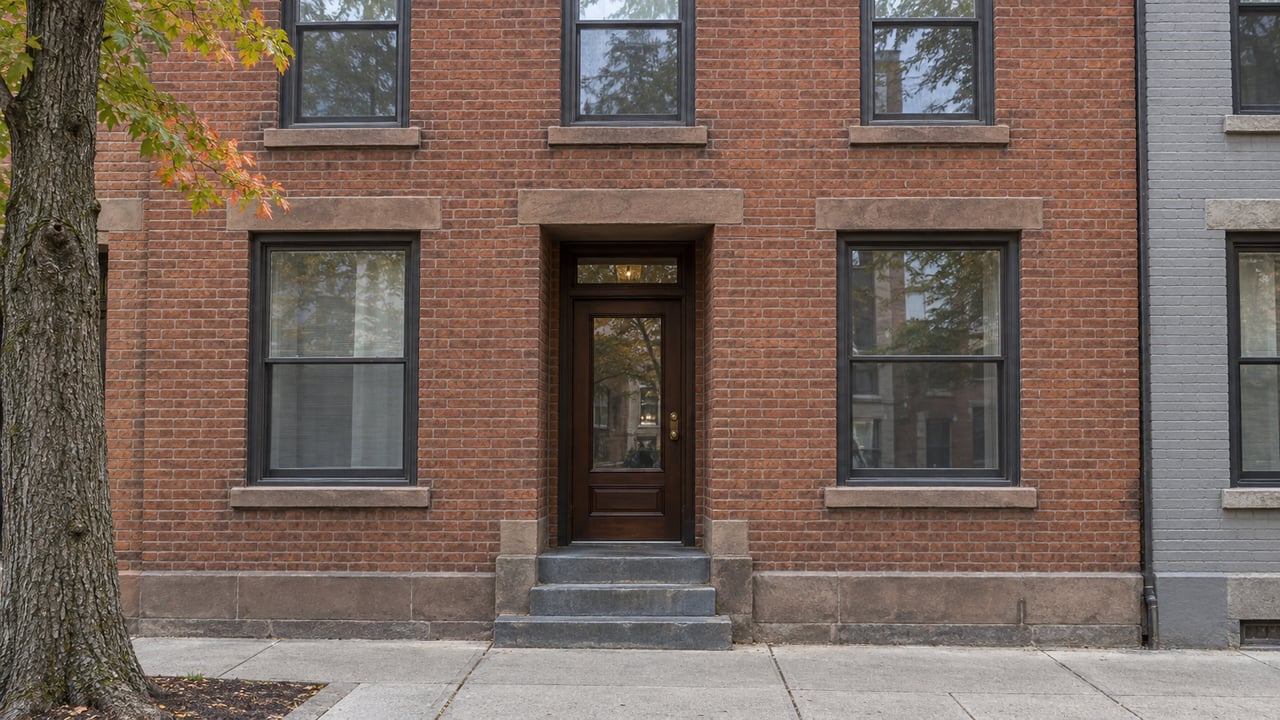
Crown Heights has a varied housing mix. You see historic brownstones and rowhouses, co‑ops, and a growing number of condos and new developments. Each segment behaves a bit differently, which is why inventory and days‑on‑market can vary by property type.
The neighborhood draws local Brooklyn buyers, professionals who value transit, and investors. Subway access and nearby amenities are a steady pull. Because buyer pools differ, comparing co‑ops to brownstones or condos one‑to‑one can be misleading. It helps to track trends within your home’s submarket.
Inventory and DOM 101
Understanding a few simple measures will help you make timing decisions:
- Days on Market (DOM): How long a listing stays active before it goes under contract. DOM is a lagging indicator. Rising DOM can signal softer demand, too much supply, or a pricing and condition mismatch.
- Inventory: The number of active listings. Rising inventory increases buyer choice and often lengthens DOM. Falling inventory tends to shorten DOM and heighten competition.
- Months of Inventory (MOI): Active listings divided by the monthly pace of sales. Lower MOI suggests a seller’s market. Higher MOI suggests a buyer’s market.
- Price reductions and sale‑to‑list ratio: Early signals that pricing might be high for current conditions.
Seasonality in Crown Heights
Like much of NYC, Crown Heights typically follows a clear seasonal rhythm:
- Buyer traffic and new listings generally pick up in late February through April. This spring lift brings more showings and fresh inventory.
- A smaller, second bump often shows up from late August through October. Buyers who paused in summer re‑engage ahead of colder weather.
- Late November through December is usually the slowest stretch, and major holiday weeks tend to be quiet.
- Since 2022, higher mortgage rates have moderated the extreme activity seen in 2020–2021. Peaks can be muted and timelines a bit longer, but the basic seasonal pattern still matters.
Best times to list
Primary launch window
Late February through April is the most reliable time to list. You benefit from improving weather, stronger buyer traffic, and more energy around open houses. If your pricing and presentation match the market, you can often see faster activity compared with winter months.
Secondary window
Late August through October is the next best window. Summer vacations wind down, and buyers who delayed spring plans return. Inventory can be balanced during this time, which helps well‑priced listings stand out.
Times to be cautious
- Late November through December: Expect fewer showings and a longer path to contract.
- Mid‑July: Activity can dip with vacations. That said, if inventory is unusually low and you price to the market, you still can move quickly.
Tailor strategy by home type
Co‑ops
Co‑ops often show longer DOM due to board approvals and financing requirements. Pre‑qualifying buyers and organizing board package guidance upfront pays off. Start marketing a bit earlier than your target contract date to allow for the extra steps.
Condos and new development
Well‑priced condos with solid marketing can move faster. Just remember that new development releases can add a burst of condo inventory, which may nudge DOM upward. Competitive pricing and standout visuals help you stay ahead.
Brownstones and 1–3 family homes
Supply is limited, so the right price and condition can draw strong interest. Renovation needs and over‑ambitious pricing can slow your timeline. Focus on clear staging, honest condition presentation, and accurate comps on nearby blocks.
Your prep timeline
Give yourself enough runway to launch cleanly into your target window. Here is a simple schedule:
- 8–12 weeks out: Tackle major repairs or light renovations. Prioritize items buyers notice first, like plumbing fixes, lighting, or flooring.
- 4–6 weeks out: Declutter, deep clean, and paint in neutral tones. Refresh trim and hardware. For brownstones, spruce up the stoop with power washing and potted plants.
- 1–2 weeks out: Final staging, professional photos, floor plans, and a virtual tour. Coordinate pre‑market agent outreach to warm up interest.
- Launch week: Go live mid‑week, typically Tuesday through Thursday, to capture weekday search traffic and set up weekend open houses.
Pricing and launch tactics
- Price to the market: Anchor your pricing to closed sales from the past 90–180 days, not just asking prices. Watch recent sale‑to‑list ratios and time to contract.
- For a fast sale: Use the prime spring window and set a slightly more competitive price to maximize showings in the first two weeks. Consider private previews to create urgency if inventory is high.
- For top price: Time your launch for spring, complete prep thoroughly, and consider a tight pricing strategy to encourage multiple offers.
- Marketing cadence: Schedule a broker preview and two open houses within the first 7–10 days. Keep photos, floor plans, and descriptions clear and accurate.
Track the market weekly
Keep a simple dashboard so you can pivot quickly if needed.
Key KPIs:
- Median DOM in Crown Heights, ideally by property type.
- New listings per week and total active listings.
- Months of Inventory.
- Sale‑to‑list ratio and frequency of price reductions.
- Showings per listing and contract rate within 30 days.
How to read changes:
- Rising inventory plus rising DOM and more price cuts suggests you may need to adjust pricing or marketing.
- Low inventory with falling DOM points to stronger conditions for sellers. Consider firmer pricing to encourage strong offers.
- Stable inventory with rising DOM often indicates a condition or pricing mismatch.
When to pivot:
- If median DOM rises 25–50 percent above your target within the first month, reassess your price, terms, or visuals.
- If more than 10–15 percent of similar active listings show price reductions, prepare to respond early.
- If showings are well below agent expectations, upgrade staging, photos, and listing copy.
Co‑op paperwork basics
Getting the paperwork right can save weeks once you find a buyer.
- Gather building documents, by‑laws, and the offering plan in advance.
- Prepare a list of typical co‑op buyer documentation so prospects know what to expect.
- Discuss contingency terms early so your listing aligns with common financing requirements.
- Work with an attorney experienced in NYC co‑op sales to keep the process moving.
Ready to plan your date?
If you want to catch the early spring or fall window, start your prep now. A clean, well‑timed launch in Crown Heights gives you more control over showings, offers, and your closing timeline. If you need speed, our team can also position an as‑is sale to qualified buyers.
Let’s map out your best launch week, pricing strategy, and prep checklist together. Reach out to the family team at Parkview Terrace Realty for a free home valuation and a clear plan for your sale.
FAQs
What is the best time to list in Crown Heights?
- The strongest window is late February through April, with a secondary window from late August through October. Holiday weeks and late November through December are typically slower.
How do inventory and DOM affect my price?
- Rising inventory and longer DOM tend to increase price sensitivity, while lower inventory and shorter DOM can support stronger pricing. Track both weekly and adjust if conditions shift.
Should I list in winter or wait for spring?
- Winter can work if inventory is very low and you price to current demand, but spring usually brings more showings and faster movement. Weigh your timing needs against market conditions.
How much extra time should I expect for a co‑op sale?
- Co‑op board reviews and financing can extend timelines compared with condos or houses. Start marketing a bit earlier and pre‑qualify buyers to reduce delays.
What day of the week should I go live?
- Launch mid‑week, typically Tuesday through Thursday, to capture weekday search traffic and set up weekend open houses for strong early momentum.