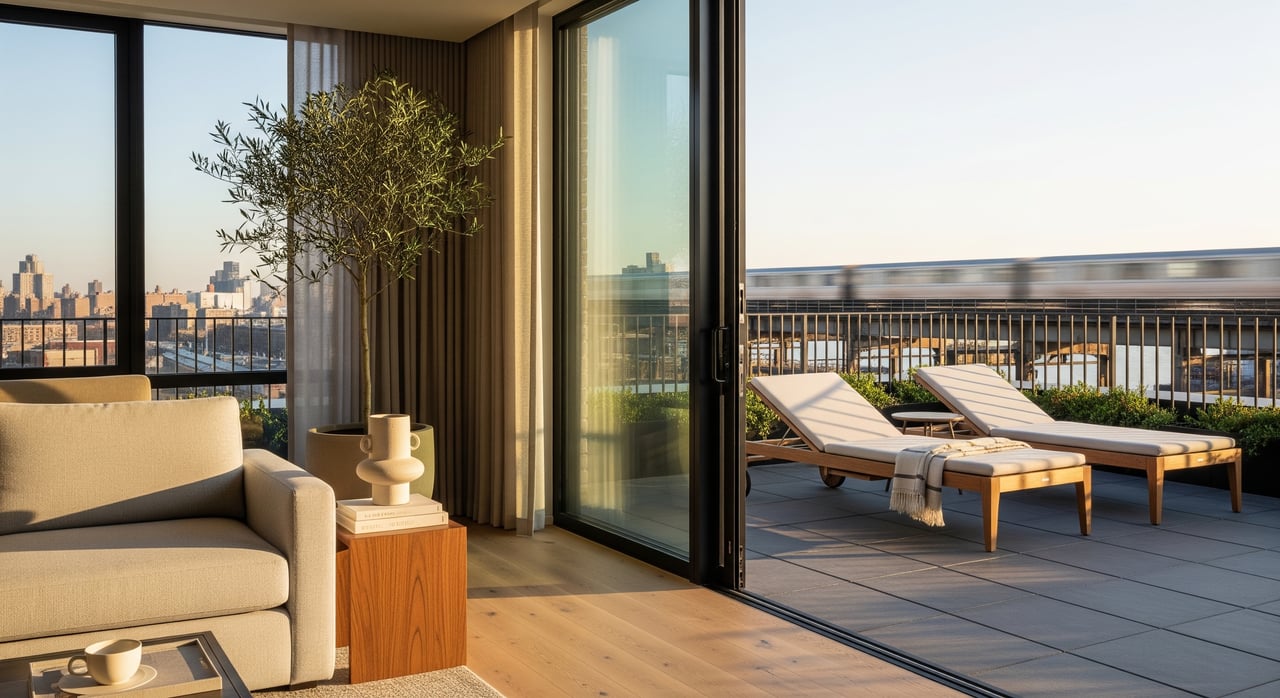
Do you want a neighborhood where your morning coffee, your subway ride, and your sunset walk are all within a few easy blocks? If you are weighing space, value, and a real community feel, Sunset Park deserves a close look. In this guide, you will learn how housing works here, what your commute might feel like, and how day-to-day life flows on the streets and along the waterfront. By the end, you will have a practical checklist to decide if Sunset Park fits your routine. Let’s dive in.
Sunset Park at a glance
Sunset Park sits on Brooklyn’s southwestern waterfront with a gentle rise east from the piers up to the namesake park. The park is a local anchor with skyline views, fields, and playgrounds that draw neighbors throughout the week. The area blends quiet residential blocks with active commercial avenues and a working waterfront that has seen new life through adaptive reuse.
You will find a longstanding, working and middle class community. There is a large Hispanic and Latino presence on traditional shopping streets and one of Brooklyn’s major Chinatown clusters along parts of 8th Avenue. In recent years, younger professionals and creatives have joined the mix, especially near redeveloped industrial campuses.
Housing: what you will find
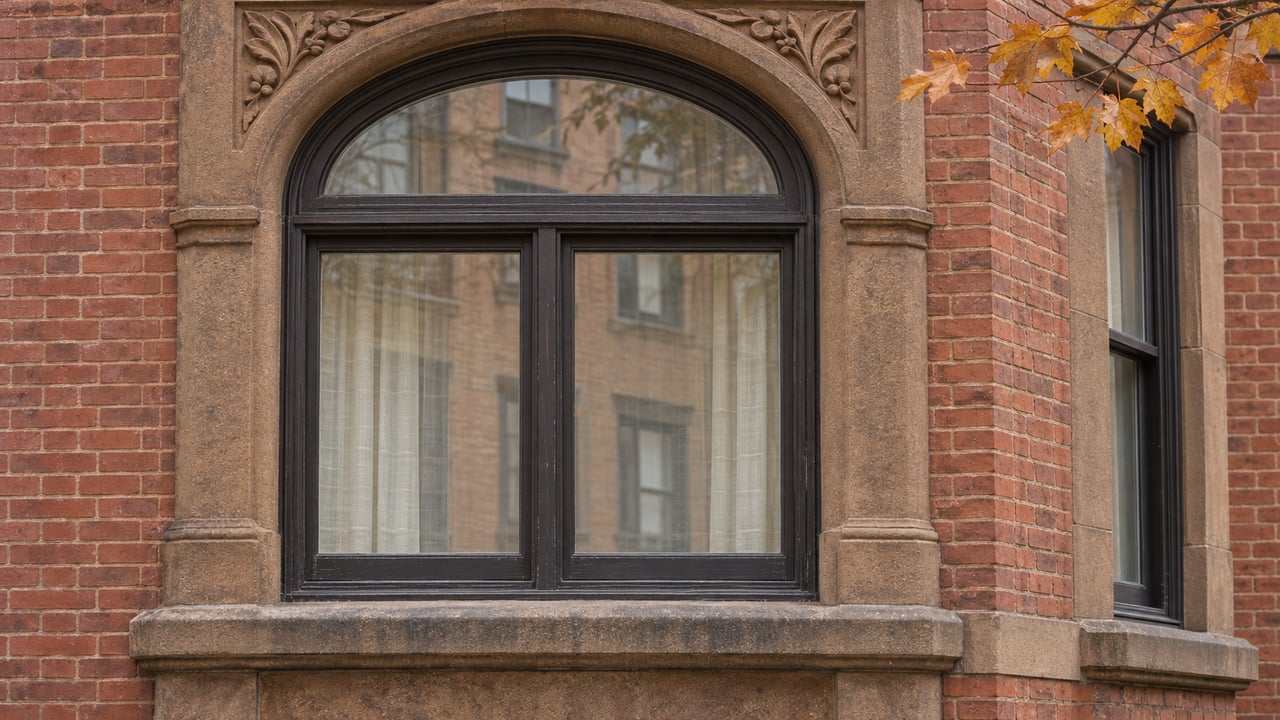
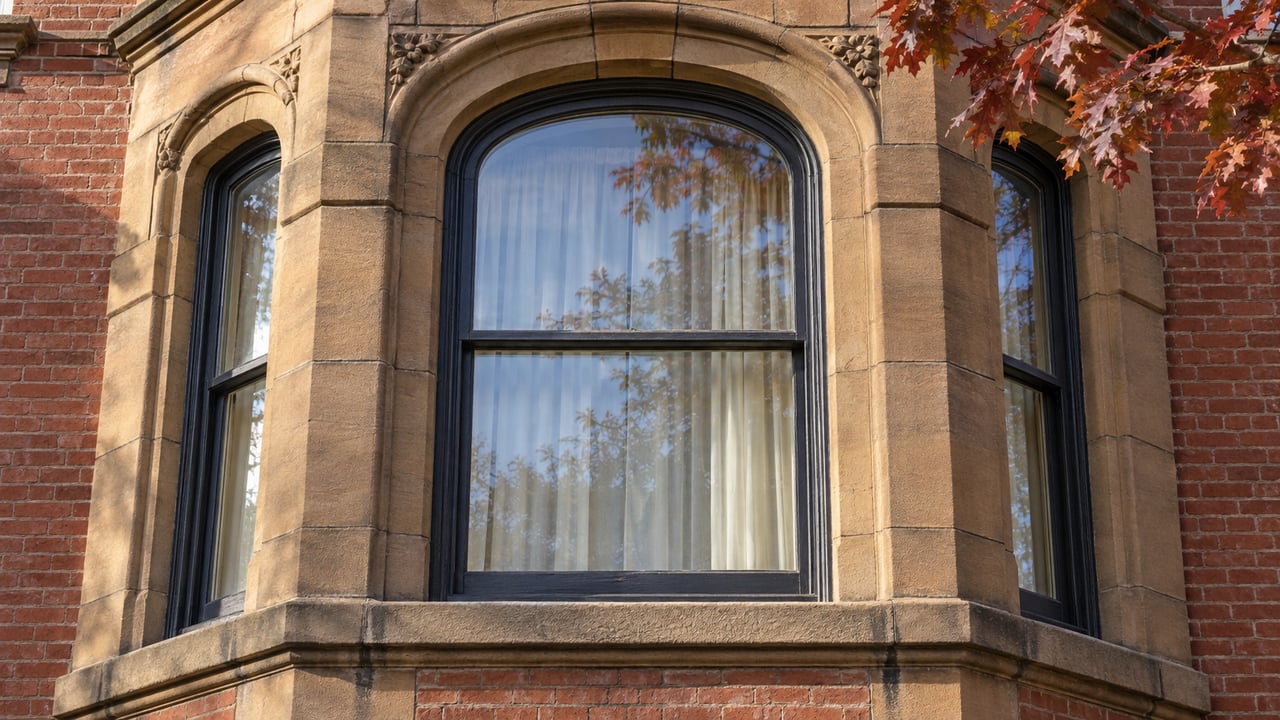
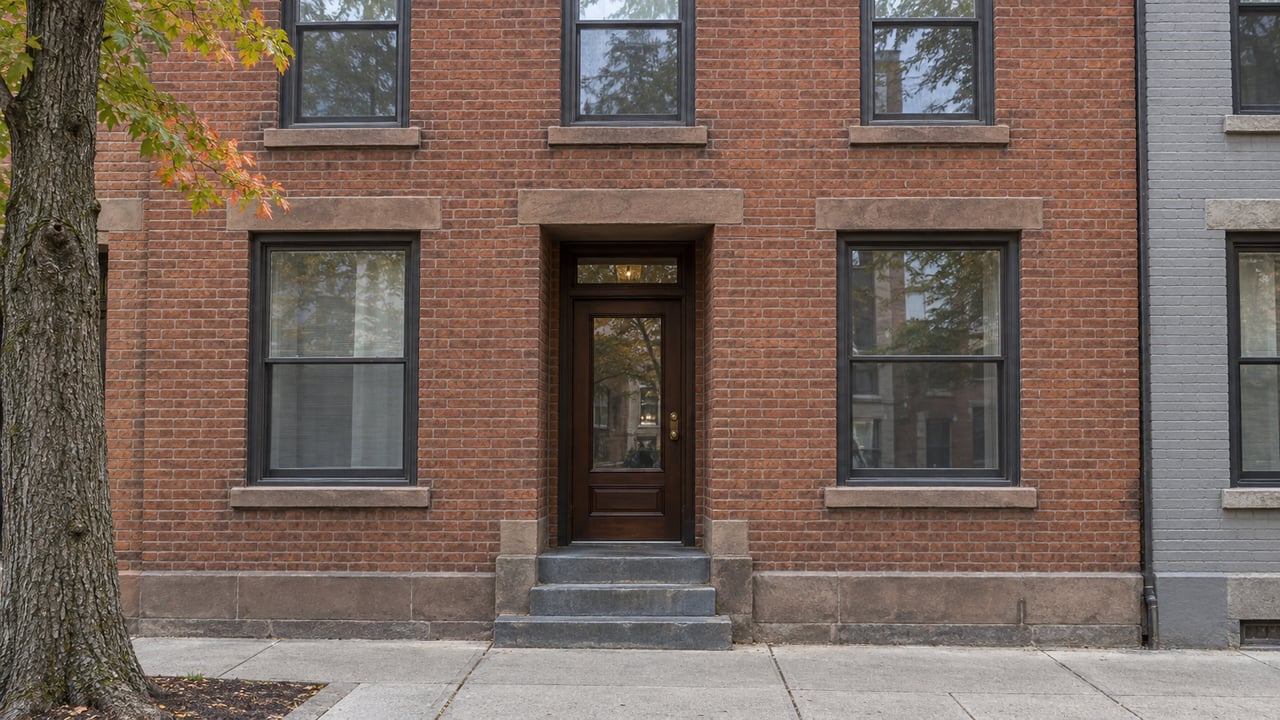
Sunset Park offers a broad mix of prewar apartments, multi-family houses, and select loft or condo conversions near the waterfront. Large, glassy towers are less common here than in other Brooklyn waterfront neighborhoods. Most buildings are smaller scale and many are older with character details.
Prewar walk-ups
Many rental apartments sit in 2 to 6 story walk-ups with high ceilings and original details. Expect fewer in-unit amenities and stairs instead of elevators. If you are buying in a co-op or condo, ask about building reserves, recent capital work, and plumbing or heating updates. Renters should confirm who pays for heat and hot water and the policy for subletting.
Two and three-family houses
You will see many attached or semi-attached houses that work as owner-occupied homes or investment properties. If you are buying, plan for a thorough inspection that covers foundation, roof, moisture, and any signs of prior alterations. If a ground-floor retail space is nearby, check how foot traffic and deliveries affect noise.
Lofts and condo conversions
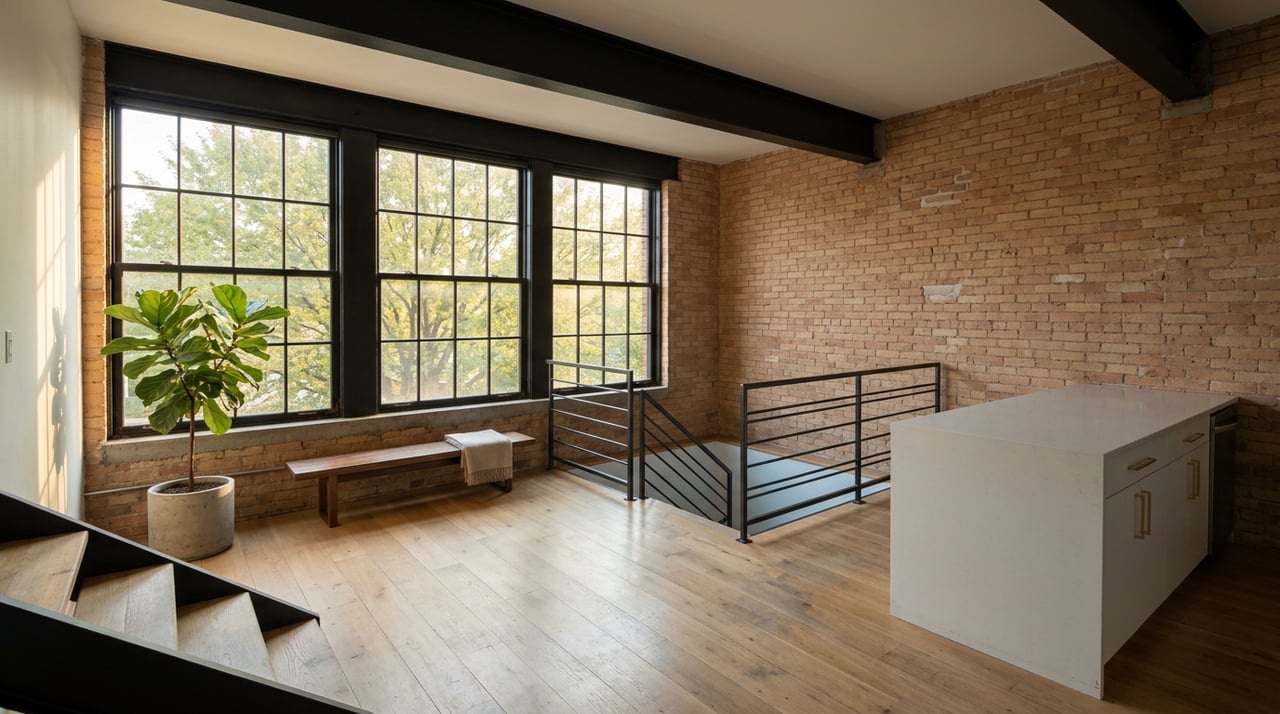
Near the waterfront and former manufacturing campuses, newer loft-style homes and condos appear in pockets. These often offer modern finishes and building amenities. Monthly common charges can be higher, so review what is included, any warranties, and the condo board’s policies.
What is limited
Compared with nearby high-rise corridors, Sunset Park has fewer luxury towers. New construction exists but is not uniform block to block. The result is a neighborhood scale that feels residential, with amenities concentrated along certain corridors.
Affordability and market context
Prices and rents have risen over the past decade, particularly close to waterfront redevelopment and major campuses. Even so, Sunset Park has often been more affordable than earlier-gentrified neighbors like Park Slope and Brooklyn Heights. Inventory changes quickly, so plan to watch listings closely and tour promptly.
If you are budgeting, think beyond the purchase price. In older buildings, you may trade lower acquisition costs for ongoing maintenance or upgrades. In newer conversions, carrying costs can be higher. Always review what monthly charges include and how they trend year over year.
Transit and commuting
Local subway access shapes daily life here. Multiple stations serve Sunset Park and make a walk-to-train routine realistic for most residents. Bus connections link you to downtown Brooklyn, other parts of the borough, and the waterfront. Biking is also viable with a grid of streets and a waterfront greenway.
Commute time expectations
Typical weekday commutes into Manhattan range from roughly 20 to 50 minutes. Your exact time will depend on where you live within Sunset Park, which station you use, line choice, transfers, and time of day. Walking time to an express station can be the difference between a smooth ride and extra transfers.
Ferries, bikes, and cars
Ferry routes in the broader South Brooklyn area can offer scenic alternatives from the waterfront. If you cycle, look for protected routes and storage options in your building. Many residents use cars for errands, but street parking is regulated and can be tight, especially near commercial corridors.
Your transit checklist
- Confirm your nearest station and whether it is express or local.
- Test your commute during peak hours to your specific workplace.
- Check late night and weekend service frequency for your line.
- If you drive, note street cleaning schedules and parking patterns.
- If you bike, map protected lanes and greenway connections.
Daily rhythm: parks, food, and errands
Sunset Park’s daily life revolves around small businesses and shared outdoor spaces. The namesake park offers sports courts, open lawns, playgrounds, and seasonal events. Along the water, piers and greenway segments provide fresh air, long views, and relaxed weekend walks.
Shopping and dining
Commercial avenues are lined with independently owned markets, bakeries, bodegas, pharmacies, and hardware stores. You will find a deep bench of Hispanic and Latino grocers along long stretches of the neighborhood. On and around 8th Avenue, the Chinatown cluster offers supermarkets, prepared foods, and specialty shops. Near redeveloped waterfront complexes, you can expect food halls, breweries, and curated retail.
Nightlife and culture
Evenings are generally low-key. Think casual eateries, cafes, and small venues rather than late-night hubs. Weekend markets and seasonal programming at redeveloped industrial sites add variety without changing the neighborhood’s overall pace.
Schools and services
You will find public, charter, and private school options in and around the neighborhood. Families typically review school zones and performance details for their specific address. Libraries, community centers, and clinics round out local services. If healthcare access is a priority, check proximity to hospitals and travel time from your block.
Tradeoffs to consider
- Affordability vs. change: Blocks closest to waterfront redevelopment often command higher prices and rents.
- Character vs. convenience: Prewar buildings offer charm but fewer modern amenities. Newer conversions add conveniences at a higher monthly cost.
- Commute vs. quiet: Living close to an active commercial avenue or a major station can reduce commute time but increase noise and foot traffic.
First-time buyer and renter checklist
- Verify your peak-hour commute from the exact block, not just the station.
- For older buildings, ask about plumbing, heating, electrical, and recent capital repairs.
- For co-ops and condos, request board minutes, reserve studies, and a breakdown of maintenance or common charges.
- For houses, get a full inspection that includes foundation, roof, moisture, and any prior conversions.
- Review nearby zoning and planned development. A vacant lot or light industrial site can become active quickly.
- As a renter, confirm lease terms for heat, hot water, utilities, pest control, and renewal options.
How change is showing up
Waterfront redevelopment and adaptive reuse have introduced new jobs, food and retail options, and offices. This has added energy and amenities while increasing demand and putting pressure on prices near those corridors. Local debates around rezoning, preservation, and community benefits are ongoing and often vary by block.
Micro-neighborhood feel by block
The experience can change quickly within a few streets. Residential side streets tend to be quieter while commercial avenues are active throughout the day. Noise, deliveries, and foot traffic follow that pattern. Before you commit, visit at different times to get a clear sense of mornings, evenings, and weekends.
Is Sunset Park a fit for you?
If you value a real neighborhood fabric, walkable daily needs, and access to parks and the waterfront, Sunset Park delivers. If you want brand-new amenities in your building, focus on select conversions and waterfront pockets. If budget and space matter most, prewar apartments and multi-family houses can offer value with tradeoffs.
Ready to explore listings, tour blocks at rush hour, or run numbers on a two-family? Reach out to the local team that has guided neighbors here for decades. Connect with the Sorensen family and the storefront crew at Parkview Terrace Realty for hands-on help that fits your timeline and goals.
FAQs
How long is the Manhattan commute from Sunset Park?
- Most weekday commutes range from about 20 to 50 minutes, depending on your exact block, station type, line choice, transfers, and time of day.
What housing types are common for entry-level budgets in Sunset Park?
- Prewar walk-up apartments and smaller co-op or condo units are common, with two and three-family houses offering additional options for buyers willing to take on maintenance.
Are there express subway options in Sunset Park?
- Multiple stations serve the neighborhood, and access to express service depends on your closest stop; confirm station type and test your route during peak hours.
Is street parking realistic in Sunset Park?
- Many residents use cars for errands, but street parking is regulated and can be tight near commercial corridors; observe patterns on the blocks you are considering.
How should I evaluate schools if I move to Sunset Park?
- Review school zones and available performance information for your specific address, then tour and speak with administrators to understand programs and enrollment timelines.
How can I assess safety on a specific block in Sunset Park?
- Visit at different times of day and review official data sources to understand patterns, then speak with neighbors and property managers for practical context.
Will waterfront development raise prices on my block?
- Activity near redeveloped industrial campuses often adds jobs and amenities and can push prices and rents higher, with the strongest effects on nearby streets.