Thinking about buying a small multifamily in Brownsville and wondering where to start? You want clear numbers, a straight look at risk, and a simple plan to vet a deal before you write an offer. In this guide, you’ll learn the local rent picture, realistic expense and cap rate ranges, the rules that shape cash flow, and a practical due diligence checklist built for 2–12 unit buildings. Let’s dive in.
Brownsville rental snapshot
Median asking rents in Brownsville sit in the mid 2k to low 3k range. As a quick reference point, Zumper’s neighborhood tracker shows a median around $2,950. Treat listing medians as market comps, not guaranteed collected rent. Always verify the current rent roll and lease terms on the asset you are evaluating.
NYC’s overall rental market is tight. The 2023 New York City Housing and Vacancy Survey reported a net rental vacancy of 1.41 percent citywide, which signals strong demand for rentals across the city. You can read the city’s summary here: NYC reports a 1.4 percent net vacancy rate. Low vacancy supports conservative underwriting on rent collection, but you should still plan for turnover and re-lease time.
Brownsville also has an active public investment story. The city highlights ongoing affordable housing and neighborhood projects on its Brownsville planning page. When you map potential buys, note nearby NYCHA campuses and major projects. Proximity can shape tenant demand, management style, and long-term neighborhood perception.
Common buildings and unit mix
2–4 families and small walk-ups
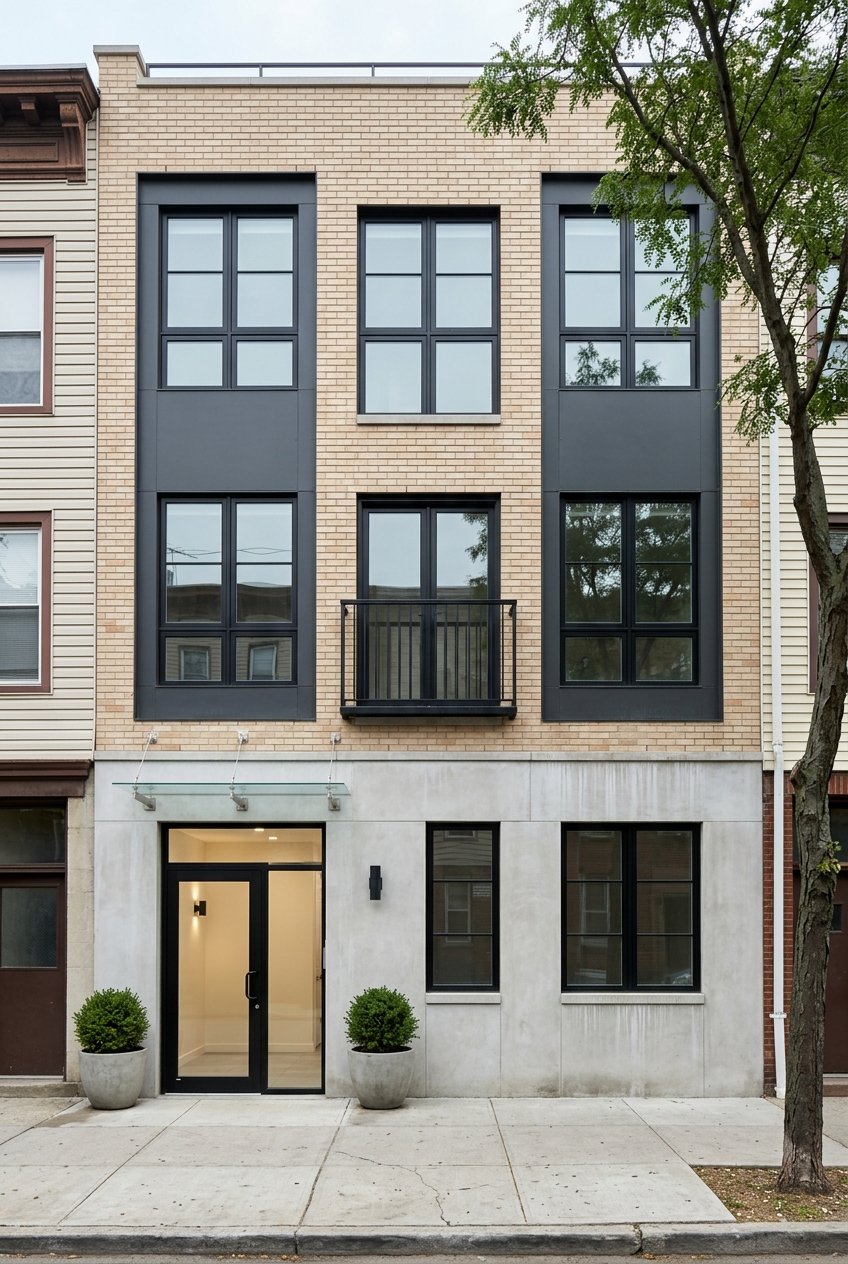
You will see many 2 and 3 family homes and small brick walk-ups in the 4–6 unit range. These assets often trade among “mom and pop” owners and first-time investors. They are straightforward to manage, but lack scale, so expenses per dollar of income can run higher than larger buildings.
5–12 unit walk-ups
Five or more units opens the door to commercial loan programs and a different valuation lens. You will also see newer affordable projects in the local pipeline. Unit mixes usually lean 1 to 3 bedrooms, with many family-sized 2 and 3 bedroom layouts that line up with the rent ranges above.
Condition and maintenance realities
Parts of Brownsville have higher counts of housing quality complaints and violations than other Brooklyn neighborhoods. That makes a thorough check of HPD and DOB records essential. For a quick primer on how to pull those records and what they mean, see this guide on building violation lookups and alerts. Physical inspections, facade and roof condition, and heating systems deserve extra attention during due diligence.
Underwrite the numbers
Income and rent comps
Use public listing medians to frame market-rate potential, but underwrite to the actual rent roll. Cross-check asking rent comps with in-place rents and lease expirations. The Zumper Brownsville page is a helpful snapshot when you build your rent comp set.
Vacancy and credit loss
While net vacancy is very low citywide, lenders and cautious buyers typically model 3 to 7 percent vacancy or credit loss for small buildings to cover turnover and re-leasing. You can use the city’s 1.4 percent vacancy report as a baseline, then stress higher if the building is older, needs work, or has regulatory exposure.
Expenses and reserves
Small multifamily operating expense ratios often fall around 35 to 45 percent of effective gross income. Industry commentary on small multifamily noted an expense ratio near 40 percent in recent quarters, which aligns with what many lenders expect. See cap rate and expense context in Arbor’s small multifamily update.
Budget replacement reserves. A common rule of thumb for older small buildings is about $200 to $350 per unit per year, with a lender minimum often around $250 per unit. You can see how underwriters treat reserves and escrows in this SEC-filed prospectus example. Tailor your figure to the age of major systems.
Cap rates and pricing
Cap rates for small multifamily expanded from the 2020–21 lows. National small multifamily cap rates hovered near 6 percent in 2024, per Arbor’s commentary via MBA Newslink. In Brooklyn, recent reporting shows average multifamily trades around the mid 6s, with higher caps for regulated or heavier-lift stock. Brownsville usually trades at a discount to prime submarkets, so a mid 6 to high 7 percent cap rate target is a reasonable starting range, adjusted for condition and regulation.
Debt and lender metrics
Expect lenders to size loans to a Debt Service Coverage Ratio around 1.20 to 1.30 times on stabilized income. Many will also require tax and insurance escrows and a monthly reserve deposit. The SEC prospectus linked above outlines how DSCR and reserve requirements show up in real underwriting.
For 5+ unit stabilized assets, Freddie Mac Small Balance programs are common. You can review a high-level overview in this Freddie Mac securitization presentation. For 1–4 unit investments, many buyers use portfolio or DSCR loans, and owner-occupants sometimes pair a purchase with renovations using an FHA 203(k) option.
Sample six-unit math
Here is a simple illustration to translate inputs into a cap rate. Assume a six-unit walk-up with 4 two-bedrooms at $2,575 and 2 three-bedrooms at $3,150 based on current asking medians. Gross potential rent: $154,800 per year. Use a 5 percent vacancy and credit loss to get about $147,060 effective gross income. Apply a 40 percent operating expense ratio to reach roughly $88,236 in NOI. If you buy at $1,200,000, the implied cap is about 7.35 percent. Lenders underwriting to a 1.25 DSCR on a 30-year amortizing loan would size debt off that NOI. Your actual results depend on verified collected rents, confirmed regulation status, and real expense history.
Regulations to model
Rent stabilization basics
Many pre-1974 buildings with six or more units are covered by rent stabilization, as well as some newer buildings that received tax benefits. The state’s Office of Rent Administration explains coverage and registration, which owners must complete annually. Start with the ORA/HCR rent administration page when you verify a building’s regulated status.
HSTPA and renovations
New York’s 2019 Housing Stability and Tenant Protection Act reduced paths to deregulation and limited how much you can add to legal rents through renovation pass-throughs. That means upside from renovations in stabilized units is slower and more limited. You can review a plain-English overview here: HSTPA explained.
Right-to-counsel effects
New York City’s expanded Right-to-Counsel program gives many low-income tenants access to legal representation in housing court. That can increase legal costs and timelines for resolving disputes and nonpayment cases. Plan for higher legal expense and longer turnover cycles. Learn more via the city’s Right-to-Counsel update page.
How rules affect value
For stabilized units, rent growth follows Rent Guidelines Board increases, not market asking rents. Investors and lenders usually value buildings with heavy stabilization exposure at higher cap rates than comparable free-market buildings. In practice, that means you anchor on long-term cash flow and careful expense control instead of fast rent growth.
Due diligence checklist
Fast pre-offer checks
Do these three checks for any NYC address you are considering:
- HPD Online for complaints and violations, plus I-cards on older buildings.
- DOB BIS or PIP for permits, ECB/DOB violations, and the Certificate of Occupancy.
- HCR/ORA rent registration to confirm if any units are stabilized.
For a quick walkthrough of these tools and how to read the results, use this guide on NYC building violations and lookups. You can also start at the ORA/HCR site to check rent registration.
Documents to request
Ask the seller for these items with your offer:
- Last 24 months of tax and utility bills.
- Trailing-12 profit and loss and bank statements.
- Current rent roll and all leases.
- HPD and DOB violation histories with proof of corrections.
- Insurance claims history and current policy details.
- Rent-stabilization registration filings, if applicable.
- Capital improvement records, invoices, and warranties.
These items let you build a clean trailing-12 and a forward pro forma, then test your loan sizing.
Red flags to price in
Be cautious if you find any of the following:
- Unresolved or repeat HPD violations, especially serious ones.
- Evidence of harassment litigation or open tenant claims.
- Undocumented work or major DOB issues flagged in file searches.
- Multiple vacant but unavailable stabilized units that may signal major deferred maintenance.
These risks require either a deeper plan and budget, or a price that reflects the work.
Stress tests to run
Model a base vacancy of 3 to 7 percent for small buildings, and raise it for older or regulated stock. Use a 35 to 45 percent operating expense ratio as your starting point. Add reserves of $200 to $350 per unit per year. Target a cap rate range that reflects condition and regulation, often 6.0 to 8.0 percent or higher in Brownsville. Size debt to a 1.20 to 1.30 DSCR and test higher rates.
Local help that adds value
Brownsville can be an entry point into Brooklyn multifamily because prices per door often sit below prime neighborhoods. The trade-off is operational intensity. The winners in this submarket buy with clean information, underwrite with discipline, and plan for steady cash flow instead of fast rent jumps. A hands-on local team helps you confirm regulation status, pull clean comp sets, translate expenses into a workable budget, and line up the right financing path for your unit count.
If you want a second set of eyes on a deal or need help sourcing Brownsville opportunities, reach out to Parkview Terrace Realty. Our family-run team pairs neighborhood knowledge with investor-ready underwriting to help you buy with confidence.
FAQs
What are typical asking rents in Brownsville for 2–3 bedroom units?
- Listing medians commonly fall in the mid 2k to low 3k range, and Zumper shows a neighborhood median near $2,950; verify in-place rents on the actual rent roll.
What cap rate range should small investors expect in Brownsville?
- Industry data shows small multifamily cap rates near 6 percent nationally; Brownsville often trades higher, roughly mid 6 to high 7 percent depending on condition and regulation, per Arbor’s market context.
How should I model vacancy in a tight NYC market?
- NYC’s net vacancy was about 1.4 percent in 2023, but most small-building models use 3 to 7 percent to cover turnover; use the city’s vacancy report as your baseline and stress higher for older or regulated assets.
What tools help me check violations and rent regulation fast?
- Start with HPD Online and DOB BIS for violations and permits, and HCR/ORA for rent registration; this NYC violations guide explains how to run those lookups.
What financing paths fit 2–12 unit Brownsville buildings?
- For 5+ unit stabilized assets, Freddie Mac Small Balance programs are common, as outlined in this Freddie Mac overview; for 1–4 units, investors often use portfolio or DSCR loans, and some owner-occupants use an FHA 203(k) renovation loan.