Wondering what it really costs to rent in Prospect-Lefferts Gardens, or what you can expect if you own a rental there? You are not alone. In a neighborhood with prewar housing, varied apartment sizes, and seasonal swings in demand, the rental picture can feel harder to read than the headline numbers suggest. This guide breaks down current asking rents, inventory, timing, and what both renters and owners should watch in Prospect-Lefferts Gardens. Let’s dive in.
Prospect-Lefferts Gardens Rent Snapshot
If you are looking at current listings, Prospect-Lefferts Gardens appears to be a low-to-mid $3,000s rental market overall. Realtor.com reported a median rental price of $3,360 in December 2025 and $3,472 in February 2026.
That said, averages only tell part of the story. RentHop’s April 2026 neighborhood data shows around 61 residential rental listings, with a typical listed size near 1,000 square feet. The active mix included 6 studios, 24 one-bedrooms, 17 two-bedrooms, 12 three-bedrooms, and 2 four-plus-bedroom units.
Rental Prices By Unit Type
The current market varies a lot based on apartment size. According to RentHop’s Prospect-Lefferts Gardens rent data, studios and one-bedrooms sit around $2,900, while two-bedrooms range roughly from the high $2,800s to low $3,200s depending on the page and listing sample.
Three-bedrooms are notably higher, around $3,825, and four-plus-bedroom units were listed around $7,875. For many renters, that means the biggest price jumps happen when you move into larger shared or family-sized layouts, not necessarily when you move from a studio to a one-bedroom.
Here is the current listing mix at a glance:
| Unit Type | Approximate Asking Rent | Active Listings |
|---|---|---|
| Studio | Around $2,900 | 6 |
| 1 Bedroom | Around $2,900 | 24 |
| 2 Bedroom | High $2,800s to low $3,200s | 17 |
| 3 Bedroom | Around $3,825 | 12 |
| 4+ Bedroom | Around $7,875 | 2 |
Asking Rents Versus Occupied Rents
One of the most important things to understand in PLG is the difference between asking rents and occupied rents. Asking rents reflect what current listings are trying to get today. Occupied rents, including survey-based measures, reflect what current tenants are actually paying across a broader housing stock.
That gap can be meaningful here. The NYU Furman Center neighborhood profile reports a 2023 ACS-based median rent of $1,640 overall, with 2024-dollar median rents of $1,530 for studios and one-bedrooms and $1,850 for two- and three-bedrooms.
These numbers do not contradict current listings. They measure different things. For renters, that means active listings may look much higher than broader neighborhood rent estimates. For owners, it is a reminder that pricing should be based on today’s competition, unit condition, and size, not just one neighborhood-wide statistic.
What Housing Types You Will Find
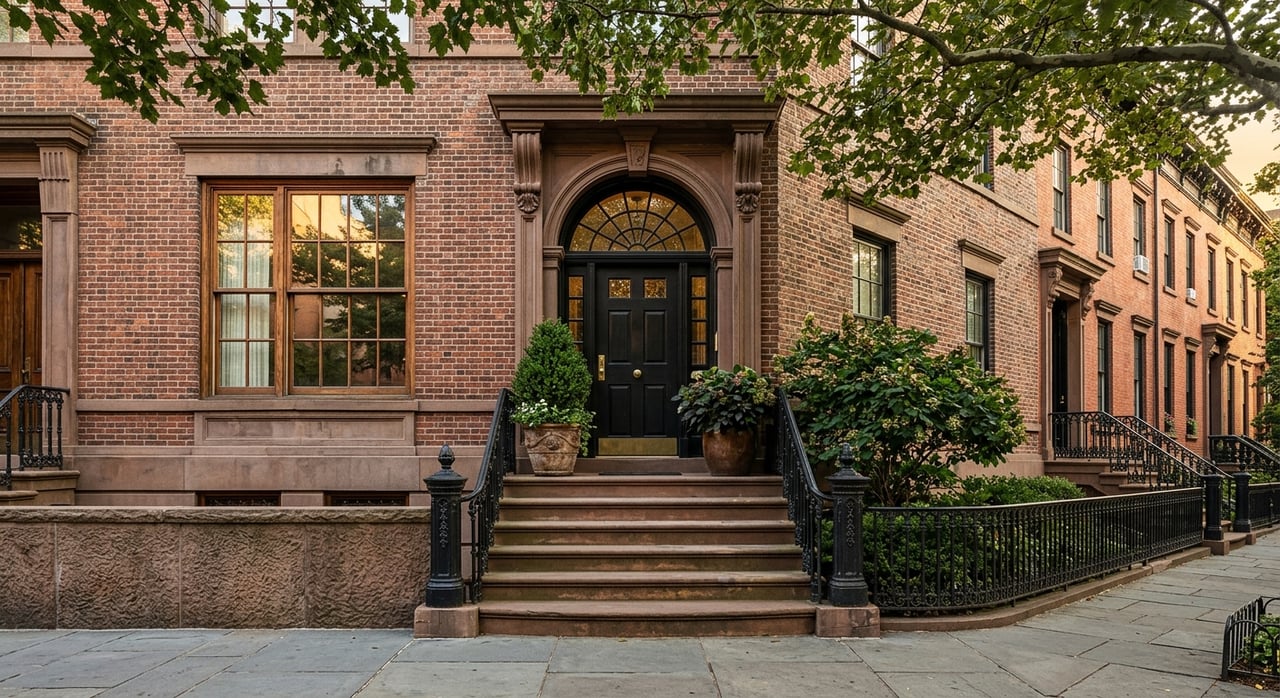
Prospect-Lefferts Gardens is not a one-format rental market. The neighborhood’s built environment helps explain why unit layouts and pricing can vary so much from one block or building to the next.
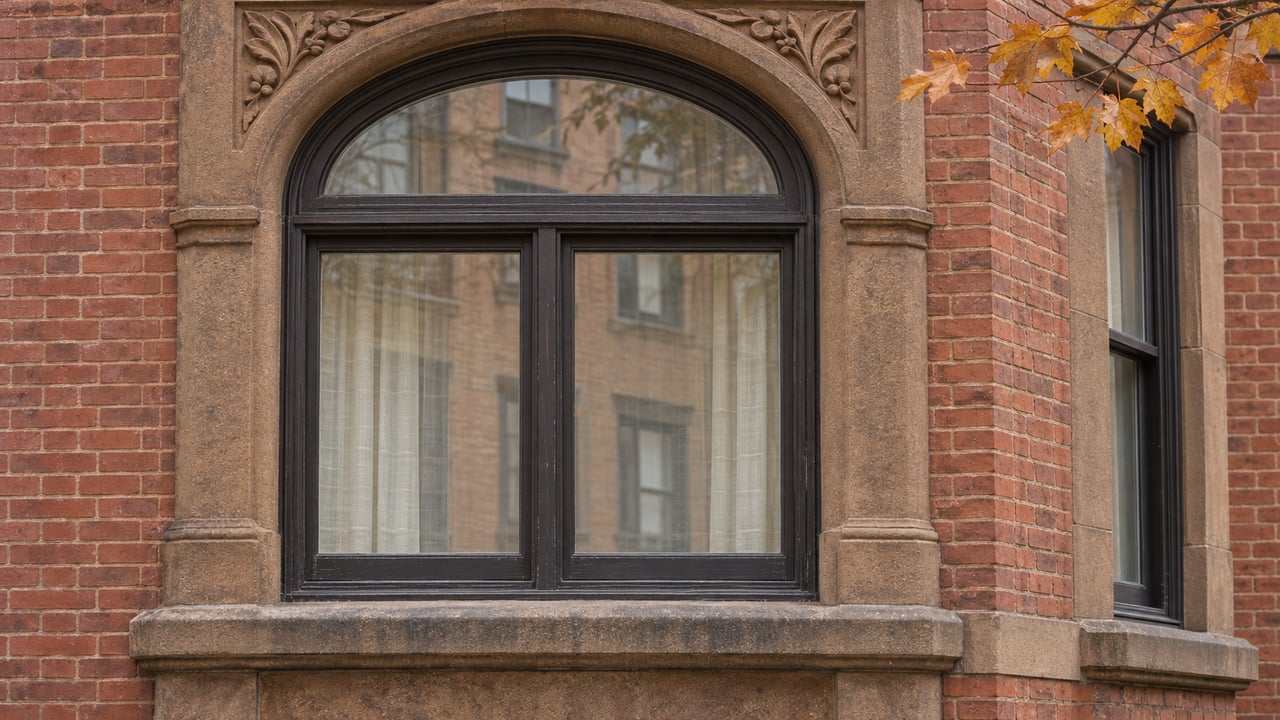
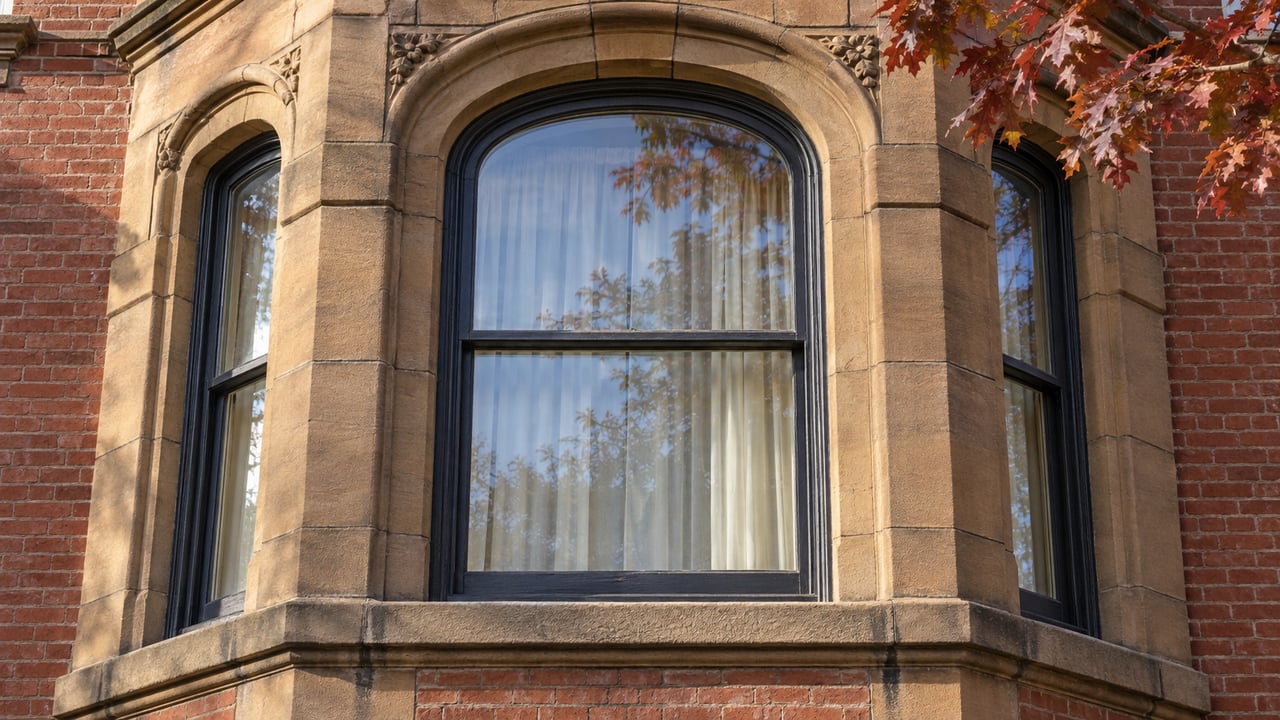
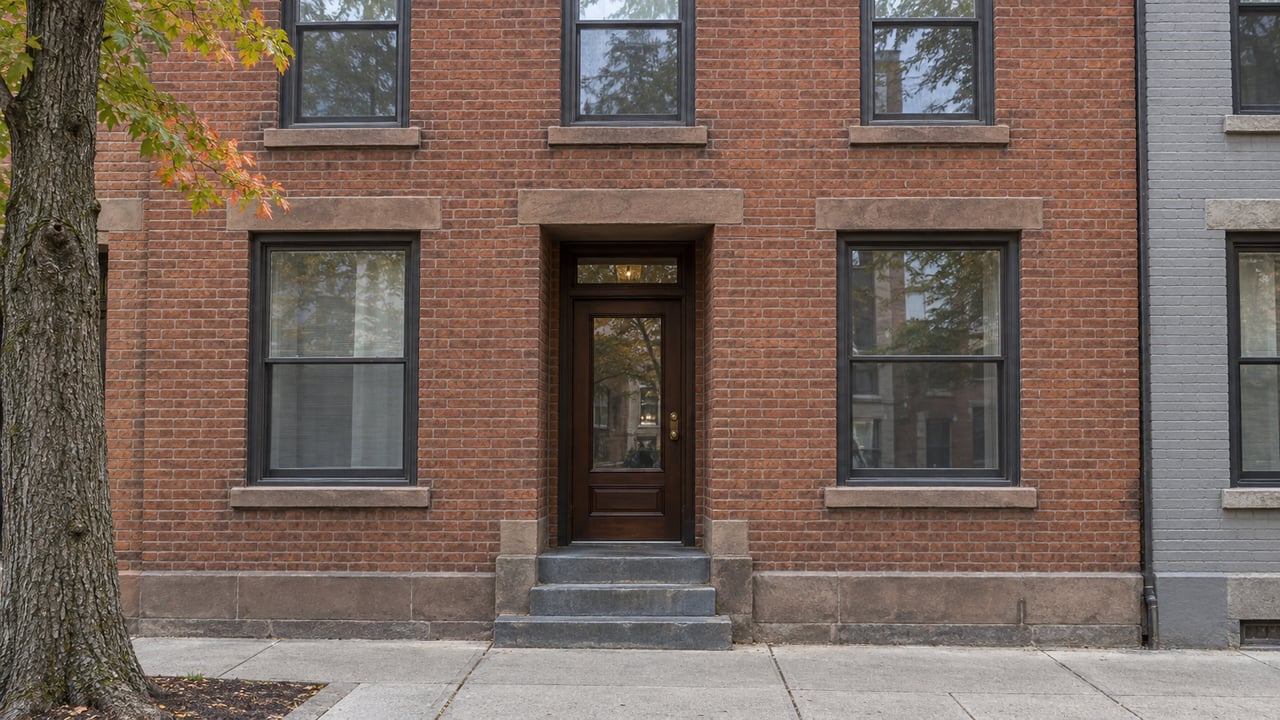
According to the New York City Landmarks Preservation Commission’s architectural summary, the area developed largely between the 1890s and 1930s. It includes one-family homes in Lefferts Manor, two-family rowhouses outside the manor, residential buildings with commercial ground floors on Rogers Avenue, and a broader mix of two-family and multiple-residence dwellings.
The report also notes that some earlier homes were replaced by apartment houses in the 1920s and 1930s. In practical terms, you may come across prewar rowhouses, smaller apartment houses, and larger multifamily rentals, rather than one uniform housing type. That variety is a big reason renters can find anything from compact apartments to larger layouts that suit roommates or households needing more space.
What The Renter Profile Suggests
For renters and owners alike, it helps to understand who lives in and moves through this market. The Furman Center profile for South Crown Heights/Lefferts Gardens offers a useful local proxy.
In 2023, the profile showed a median household income of $70,340, a homeownership rate of 15.7%, and a rental vacancy rate of 2.2%. It also found that 76.9% of commuters used a car-free commute, with an average travel time of 41.1 minutes.
That data points to a rental market shaped heavily by transit-oriented households. It also suggests a mix of residents, including long-term tenants, new renters, roommate households, and people looking for somewhat larger spaces than smaller urban apartment formats often provide.
Another important affordability point is that 26.1% of renter households were severely rent burdened in 2023, according to the same Furman Center profile. For owners, that is a reminder that pricing and renewal strategy should be grounded in real budget sensitivity. For renters, it underscores why having a clear monthly ceiling matters before you start applying.
Affordability And New Supply
Prospect-Lefferts Gardens also sits within a broader affordability and development story. The Furman Center reports that 72.8% of rental units were affordable at 80% AMI in 2023.
The same source says 4,034 new units in buildings with four or more units were added between 2010 and 2024. Of those, 2,416 were market-rate and 1,618 were income-restricted.
For renters, this means the neighborhood is not frozen in time. For owners, it means competition can come not only from older prewar buildings and rowhouse apartments, but also from newer supply added over the past decade and change.
Seasonality Matters More Than You May Think
Timing can shape both pricing and negotiating power. StreetEasy’s NYC rental market analysis found that renter demand in Manhattan and Brooklyn has become more seasonal in recent years, with demand peaking in April while inventory still tends to peak in July.
That same analysis found roughly 11% more rentals available in July than during any other month and about 12% below-average inventory in December. StreetEasy also reported that citywide rental competition cooled in 2024 as inventory rose and concessions became more common.
RentHop’s Prospect-Lefferts Gardens data adds a local angle. It says neighborhood rents tend to fall about 3.4% between peak summer months and the slower winter months.
Best Timing For Renters
If you are renting in PLG, winter may offer better leverage. Lower seasonal rents and slower competition can give you more room to compare options, ask questions, and move without the same pressure that often comes in spring and summer.
The tradeoff is selection. Since citywide inventory tends to be lower in December, you may have fewer apartments to choose from even if landlords are more flexible. If your timeline is flexible, it can help to balance price savings against the number of available listings.
Best Timing For Owners
If you own a rental in Prospect-Lefferts Gardens, spring and early summer are often your strongest leasing window. Demand has been peaking earlier, and higher seasonal activity can support stronger asking rents and faster placement.
Still, timing alone is not enough. In a market with mixed unit performance and varied building types, owners benefit from pricing based on the actual unit, not broad neighborhood averages. A one-bedroom in a small prewar building and a larger apartment in a multifamily property may attract very different renter pools.
What Renters Should Budget For
Because one-bedrooms and two-bedrooms make up a large share of active listings, many renters will spend most of their search time comparing those categories. That can be helpful if you want options, but it also means your best value may depend on layout, size, and building type more than bedroom count alone.
A practical budgeting approach is to:
- Set a firm monthly rent ceiling before touring
- Compare one-bedrooms and two-bedrooms side by side
- Watch winter listings if you want more negotiating room
- Remember that larger units can jump sharply in price
- Treat asking-rent headlines as current market signals, not a full picture of what everyone in the neighborhood pays
What Owners Should Watch
For landlords and rental property owners, PLG is a market where details matter. Unit size, layout, condition, and timing can all shape performance, especially when year-over-year rent changes are mixed.
RentHop’s year-over-year data shows studios up 5.5% from a year earlier, while one-bedrooms were down 1.5%, two-bedrooms down 7.8%, and three-bedrooms down 1.3%. That is a useful reminder that there is no single story for every apartment type.
Owners should pay close attention to:
- How similar units are priced right now
- Whether your unit competes on size, layout, or condition
- Seasonal demand shifts between winter and spring
- The difference between listing-price trends and longer-term occupied-rent data
Why Local Guidance Helps In PLG
Prospect-Lefferts Gardens has a lot going for it as a rental market, but it is not a simple plug-and-play neighborhood. The housing stock is varied, the pricing story changes by unit type, and seasonality can affect leverage on both sides of the transaction.
That is where practical local guidance matters. Whether you are trying to secure the right rental, place a tenant, or understand how your property fits today’s market, a clear read on current inventory and pricing can save time and help you make better decisions.
If you want hands-on guidance for renting out a property or navigating Brooklyn real estate with a responsive local team, reach out to Parkview Terrace Realty. Their family-run approach is built around practical advice, clear communication, and neighborhood-focused service.
FAQs
What is the average rent in Prospect-Lefferts Gardens right now?
- Current asking-rent signals are in the low-to-mid $3,000s overall, with Realtor.com reporting median rental prices of $3,360 in December 2025 and $3,472 in February 2026.
What do one-bedroom and two-bedroom rentals cost in Prospect-Lefferts Gardens?
- RentHop shows one-bedrooms around $2,900 and two-bedrooms roughly in the high $2,800s to low $3,200s, depending on the page and listing sample.
When is the best time to rent in Prospect-Lefferts Gardens?
- Winter can offer more negotiating leverage because RentHop says neighborhood rents tend to fall about 3.4% from peak summer months to slower winter months, though inventory is often lower.
When is the best time for owners to list a rental in Prospect-Lefferts Gardens?
- Spring and early summer are often stronger leasing periods, and StreetEasy found that renter demand in Manhattan and Brooklyn has recently peaked in April while inventory tends to peak in July.
What kinds of rental buildings are common in Prospect-Lefferts Gardens?
- The neighborhood includes a mix of one-family homes, two-family rowhouses, apartment houses, and some mixed-use residential buildings, according to the Landmarks Preservation Commission.
Why do Prospect-Lefferts Gardens rent numbers look so different across sources?
- Some sources report current asking rents from active listings, while others report broader occupied-rent estimates from surveys like the ACS, so they are measuring different parts of the market.