Buying in Brooklyn can feel like trying to solve two problems at once: how to become an owner and how to keep your monthly housing cost manageable. That is exactly why house hacking gets so much attention here. If you are thinking about living in one unit and renting the rest, this guide will walk you through how the strategy works in Brooklyn, what financing options may help, what rules you need to watch, and how to think about the numbers before you buy. Let’s dive in.
Why house hacking works in Brooklyn
Brooklyn is one of the places where this strategy can make real sense because the housing stock is not all one type. New York still has a substantial supply of small multifamily housing, and Fannie Mae describes 2- to 4-unit homes as part of the country’s “missing middle” housing and a traditional path to long-term wealth building through owner occupancy and rental income. In New York City, there are an estimated 225,000 two-family structures citywide, according to the NYC Comptroller data cited by Fannie Mae.
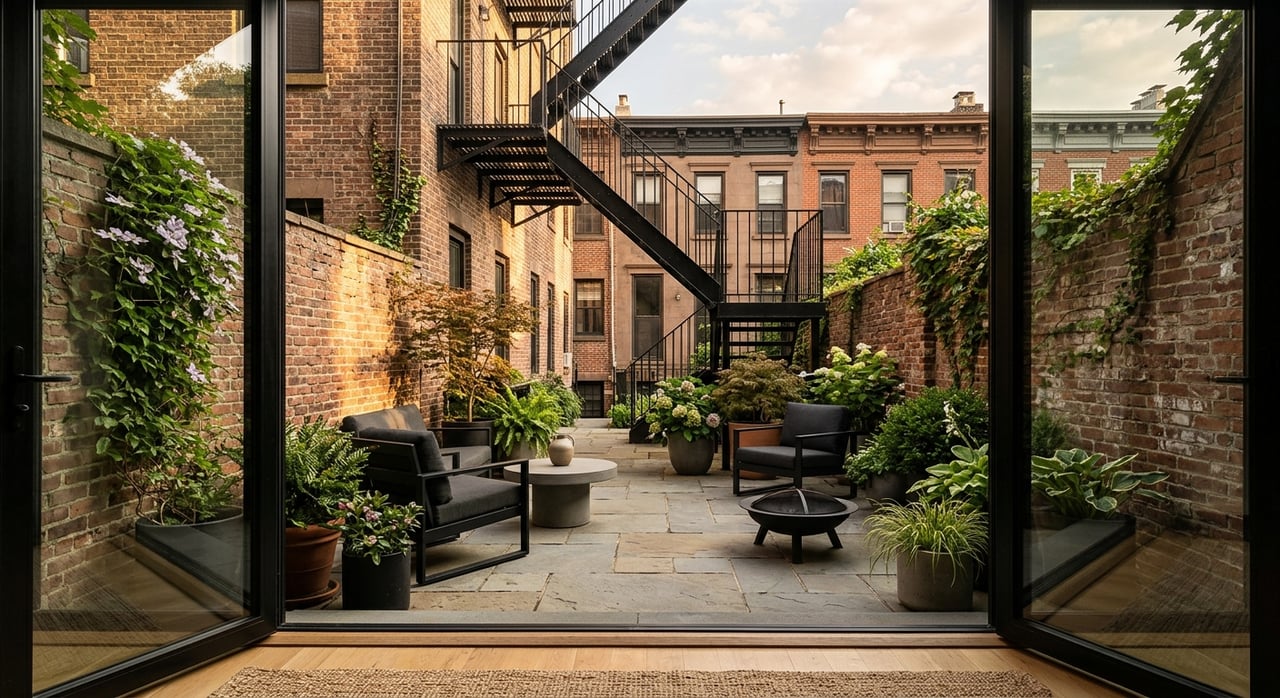
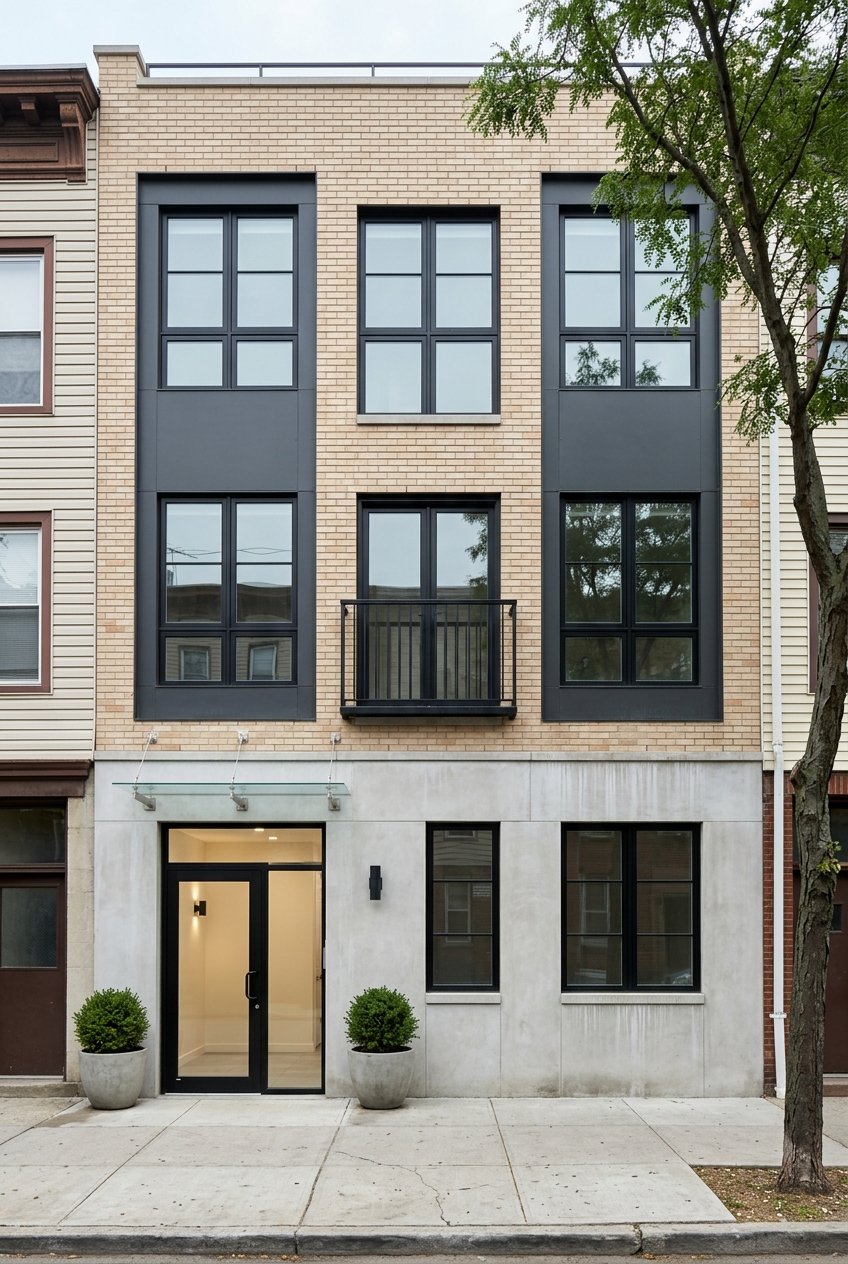
That matters because a Brooklyn house hack does not always look the same. In some areas, your option may be a rowhouse-style property. In others, it could be a detached or semi-detached one- or two-family home, depending on the neighborhood pattern described in NYC planning documents.
For you as a buyer, that means flexibility. A live-in rental setup could be a two-family, a duplex-style layout, or a small 3- or 4-unit building where you occupy one unit and lease the others.
What “live in one, rent the rest” means
House hacking is simple in concept. You buy a small multifamily property, move into one unit as your primary residence, and rent out the other unit or units.
The goal is not magic cash flow on day one. The real advantage is that rent from the other unit or units may help offset your monthly housing costs while you build equity in a property you also use as your home.
That said, this is still ownership with landlord responsibility attached. Rent can help, but it does not remove the need for reserves, repairs, vacancy planning, and compliance with city rules.
Brooklyn property types to consider
Because Brooklyn has varied housing patterns, it helps to look at house hacking through a local lens. You are not shopping one uniform product type across the borough.
Two-family homes
Two-family homes are often the clearest house-hack option. You live in one unit and rent the other, which can make management simpler than a larger building while still creating income potential.
This setup may appeal to buyers who want a more manageable first step into ownership. It can also be easier to understand from a day-to-day operations standpoint since you are only balancing one rental unit instead of several.
Three- and four-unit buildings
A 3- or 4-unit building can create more rental income, but it also brings more moving parts. You may have more turnover risk, more maintenance coordination, and more tenant communication.
Still, for the right buyer, a small multifamily can offer a stronger income offset than a two-family. This is where careful budgeting becomes especially important.
Older Brooklyn housing stock
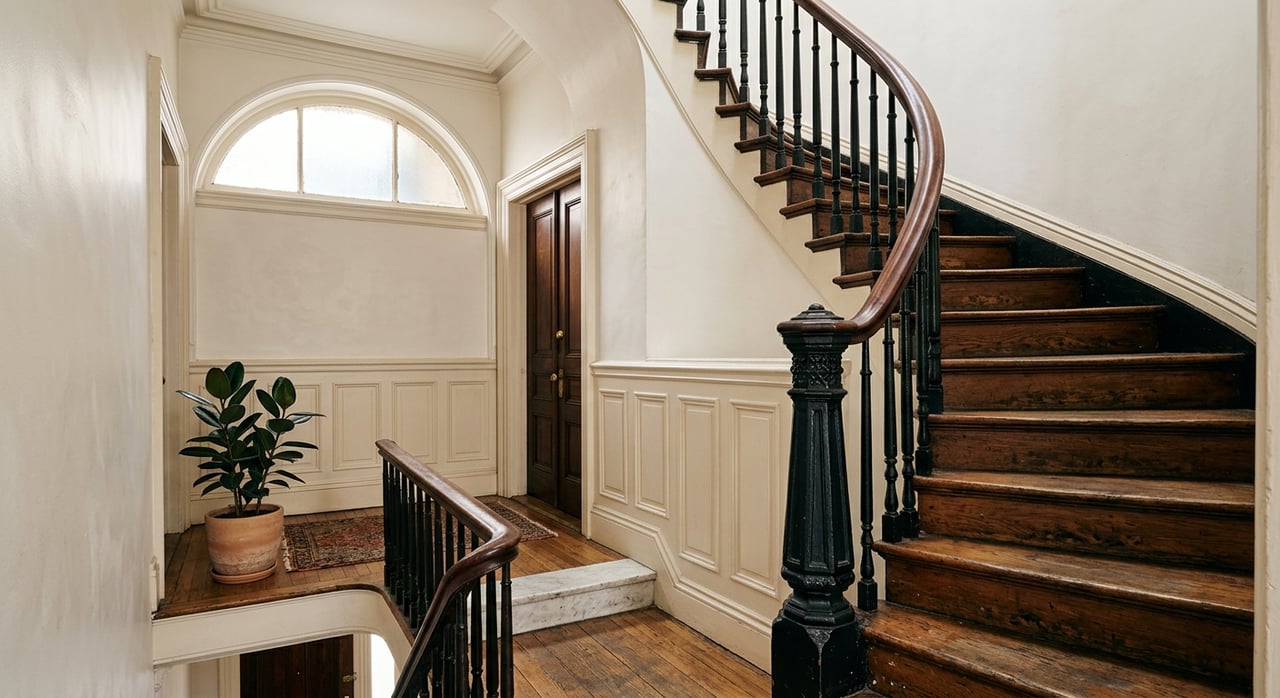
Many Brooklyn small multifamily properties are older, and that can affect both your budget and your buying strategy. Repair needs may not be obvious at first glance, especially with roofing, heating, hot water systems, or energy-related upgrades.
That is one reason post-purchase repair resources can matter. NYC HPD’s HomeFix 2.0 program offers eligible 1- to 4-family homeowners low- or no-interest loans of up to $150,000 for repairs and upgrades.
Financing options for a Brooklyn house hack
One of the biggest reasons buyers explore house hacking is that owner-occupied financing can be more accessible than many people expect. If you plan to live in the property, several programs specifically allow 2- to 4-unit primary residences.
FHA financing
HUD says FHA-insured financing can be used for 2- to 4-unit properties when you occupy the home as your primary residence. In most cases, the minimum required investment is 3.5%.
HUD also notes that your down payment may come from your own funds, gifts, second mortgages, or grants. For buyers who want a lower down payment path into a small multifamily property, that can make FHA worth discussing with a lender.
Conventional low-down-payment options
Conventional financing may also work for a house hack. Fannie Mae’s HomeReady guidance says a 2- to 4-unit principal residence requires a 3% minimum contribution from the borrower’s own funds, and rental income from the property may be used as qualifying income.
Freddie Mac’s Home Possible program, as summarized in the same research set, also allows 2- to 4-unit primary residences with low borrower contribution requirements in certain cases and permits rental income from the subject property to count toward qualification. That can be especially helpful if your goal is to buy a property where the rent meaningfully offsets your payment.
NYC down payment help
If you are a first-time buyer, local help may be available too. NYC HPD’s HomeFirst down payment assistance program can provide up to $100,000 toward down payment or closing costs for eligible first-time buyers purchasing an owner-occupied 1- to 4-family home, condo, or co-op in the five boroughs.
HPD says buyers must contribute at least 3% from personal funds and complete homebuyer education through an HPD-approved counseling agency. For some buyers, combining owner-occupied financing with a local assistance program can make the numbers more achievable.
How rental income helps you qualify
One major appeal of house hacking is that some loan programs allow rental income from the non-owner units to count toward qualifying income. Fannie Mae’s HomeReady guidance specifically says rental income from a 2- to 4-unit principal residence can be used in underwriting.
That does not mean every dollar of projected rent automatically solves affordability. It means the property’s income may support your financing case, which is one reason live-in multifamily buying remains such a practical strategy.
This is also where a hands-on, numbers-first approach matters. Before you make an offer, you want realistic rent estimates, not wishful ones.
A simple cash-flow test
Before you buy, run a conservative projection. A useful framework is:
- Expected rent from the non-owner unit or units
- Minus vacancy and turnover loss
- Minus repairs and capital reserves
- Minus owner-paid utilities
- Minus property taxes
- Minus insurance
- Minus your mortgage payment
This is not just about whether the property looks good on paper today. It is about whether it still works if one unit sits vacant for a few months, a large repair comes up sooner than expected, or rent growth is slower than you hoped.
Stress-test the property
A Brooklyn house hack should be able to handle real-life surprises. The research points to three especially useful stress tests:
- One rental unit sits vacant for several months
- A major repair hits earlier than expected
- Rent increases more slowly than projected
In older housing stock, conservative planning matters. A property can still be a good long-term buy without producing perfect cash flow right away.
Rules every Brooklyn house hacker should know
The live-in rental strategy can be smart, but only if the property and your management approach are both compliant. In New York City, details matter.
Check if the space is legal to rent
According to NYC HPD homeowner resources, cellar spaces in one- and two-family homes can never be lawfully rented for residential use. HPD also says basements can only be occupied if they meet code requirements and Department of Buildings approval.
That means you should verify any “extra unit” or lower-level apartment carefully before assuming it can produce income. A layout that seems rentable is not the same as a lawful residential unit.
Understand short-term rental limits
If you are thinking about using part of the property for short stays, be careful. HPD notes that short-term rentals are limited in NYC and that every housing unit must be used for permanent occupancy of 30 days or more.
For most buyers exploring house hacking, that makes the strategy much more about stable long-term occupancy than quick-turn short-term income.
Review rent regulation carefully
NYC says rent stabilization generally applies to apartments in buildings with six or more units built before 1974. Many duplexes and triplexes are not automatically stabilized, but that does not mean you should assume every unit is unrestricted.
You should still verify rent history and check whether any prior regulated status or program-based restrictions may affect a unit. This is a unit-by-unit question, not something to gloss over.
How to screen tenants the right way
If you are going to be both owner and landlord, your screening process needs to be written, consistent, and based on legitimate criteria. NYC’s fair housing guidance says landlords and brokers should not ask direct or indirect questions that reveal protected characteristics, and the city also states that source-of-income discrimination is illegal.
The safest approach is to use the same screening standards for every applicant. Consistency matters, both for fairness and for compliance.
Avoid common screening mistakes
New York City also has rules around criminal-history screening. The city’s Fair Chance Housing materials say covered housing providers may not discriminate based on arrest or conviction history.
Tenant screening reports can also contain errors. The CFPB guidance cited in the research notes that applicants can request a free copy from the reporting company within 60 days after a landlord uses the report. That is another reason to keep your process documented and careful.
Owner responsibilities after closing
Buying a house hack means you are not done once you get the keys. You are stepping into the ongoing responsibilities of both homeowner and housing provider.
HPD highlights several basic obligations for small properties, including lead-paint duties and safety requirements such as smoke detectors, carbon monoxide detectors, and window guards where children live. These may sound simple, but they affect both safety and compliance.
Maintenance planning is just as important as lease planning. If you buy an older property, set aside funds for repairs early so the investment stays workable over time.
What a smart Brooklyn buying plan looks like
A strong house-hack plan usually starts with clarity, not speed. You want to know your real budget, what property type fits your comfort level, how much rent may reasonably help, and what repair exposure you can handle.
From there, your process should include:
- Reviewing financing options for owner-occupied 2- to 4-unit properties
- Checking whether down payment assistance may apply
- Confirming the legal use of every unit or lower-level space
- Running conservative cash-flow projections
- Reviewing any rent history or possible restrictions
- Preparing a consistent, compliant tenant screening plan
When those pieces line up, house hacking can be a practical way to buy in Brooklyn with a plan that supports both your housing needs and your long-term finances.
If you are considering a live-in multifamily purchase in Brooklyn, working with a local brokerage that understands neighborhood housing stock, small multifamily layouts, and investor-style numbers can make the process much clearer. The team at Parkview Terrace Realty brings a hands-on, neighborhood-first approach to Brooklyn real estate and can help you evaluate opportunities with a practical eye.
FAQs
What is house hacking in Brooklyn real estate?
- House hacking in Brooklyn usually means buying a 2- to 4-unit property, living in one unit as your primary residence, and renting the other unit or units to help offset housing costs.
Can you use FHA financing for a Brooklyn multi-family home?
- Yes. HUD says FHA-insured financing can be used for 2- to 4-unit properties if you occupy the home as your primary residence, with a minimum required investment of 3.5% in most cases.
Can rental income help you qualify for a Brooklyn house hack?
- Yes. Fannie Mae’s HomeReady guidance says rental income from a 2- to 4-unit principal residence can be used as qualifying income, subject to lender underwriting.
Does NYC offer down payment help for a Brooklyn house hack?
- Yes. HPD’s HomeFirst program may provide up to $100,000 toward down payment or closing costs for eligible first-time buyers purchasing an owner-occupied 1- to 4-family home in the five boroughs.
Are basement or cellar apartments always legal to rent in Brooklyn?
- No. NYC HPD says cellar spaces in one- and two-family homes can never be lawfully rented for residential use, and basements can only be occupied if they meet code requirements and DOB approval.
Do small Brooklyn multifamily homes fall under rent stabilization?
- Not always. NYC says rent stabilization generally applies to apartments in buildings with six or more units built before 1974, but you should still verify rent history and any unit-specific restrictions before buying.
What tenant screening rules matter for Brooklyn house hackers?
- Your screening process should be written, consistent, and based on legitimate criteria. NYC says landlords and brokers should not ask questions that reveal protected characteristics, and source-of-income discrimination is illegal.