Thinking about buying a Bushwick two-family, a live/work loft, or a small mixed-use building but unsure where to start? You are not alone. Between shifting rent laws, renovation costs, and financing rules, it can be hard to see the real risks and rewards. This guide gives you a clear snapshot of rents, cap-rate signals, legal factors, underwriting basics, and a step-by-step due-diligence checklist so you can move with confidence. Let’s dive in.
Bushwick rental snapshot in 2026
Rents set your ceiling. As of February 2026, the median asking rent in Bushwick was about $3,049 per month, based on listing samples. You can review the latest neighborhood snapshot by checking the median asking rent in Bushwick. For underwriting, match that with fresh street-level comps before you make assumptions.
By size, recent listing medians often cluster around the low to mid 3,000s. A quick reference point: 1-bedrooms have trended near $2,900 to $3,100, 2-bedrooms around $3,300 to $3,900, and 3-bedrooms around $3,400 to $4,000, depending on finishes and micro-location. Verify against current data for your block using the typical asking rents by unit size to tighten your pro forma.
What does this mean for vacancy assumptions? Smaller, renovated 1 to 2 bedroom units near strong transit usually lease faster. Larger, older, or unrenovated units can sit longer. In a tight overall market, plan for quicker turns if the product is updated and well located, and pad time for bigger family layouts or heavy value-adds.
What returns look like now
Across Brooklyn, small-multifamily investors have been trading on cap rates broadly in the mid 5 percent to low 7 percent range for stabilized walk-ups and value-add deals in recent years. Bushwick often prices a touch higher in cap rate than the tightest North Brooklyn pockets, with yields compressing closer to transit hubs. Treat this as a broad signal and anchor your modeling to real comps. For more background, see borough trends on multifamily cap-rate bands.
Choose your asset type
Two- and three-family houses
These are the most accessible entry point for many buyers. You will see classic rowhouses and small brick walk-ups with 2 to 4 units. Many 1 to 4 unit properties qualify for residential mortgages. That can mean lower rates and more familiar underwriting than a purely commercial loan.
How to underwrite them:
- Rent comps: Pull 3 to 6 recent leases on the same block and use neighborhood medians as a cross-check. Adjust for condition and exact location.
- Vacancy: Model 5 to 8 percent for renovated 1 to 2 bedroom inventory in good spots. Raise to 8 to 12 percent if units are larger or need work between tenants.
- Expenses: Start with an all-in operating ratio near 20 to 35 percent of effective gross income for management, maintenance, insurance, and utilities if owner-paid. Add a capex reserve.
Pitfalls to watch:
- Rent regulation: Some units that look free market may have a registered rent history. The 2019 changes eliminated many paths to deregulate. Always verify status and rent histories early. Learn the basics on the Rent Stabilization and Tenant Protection Act changes.
Lofts and IMD buildings
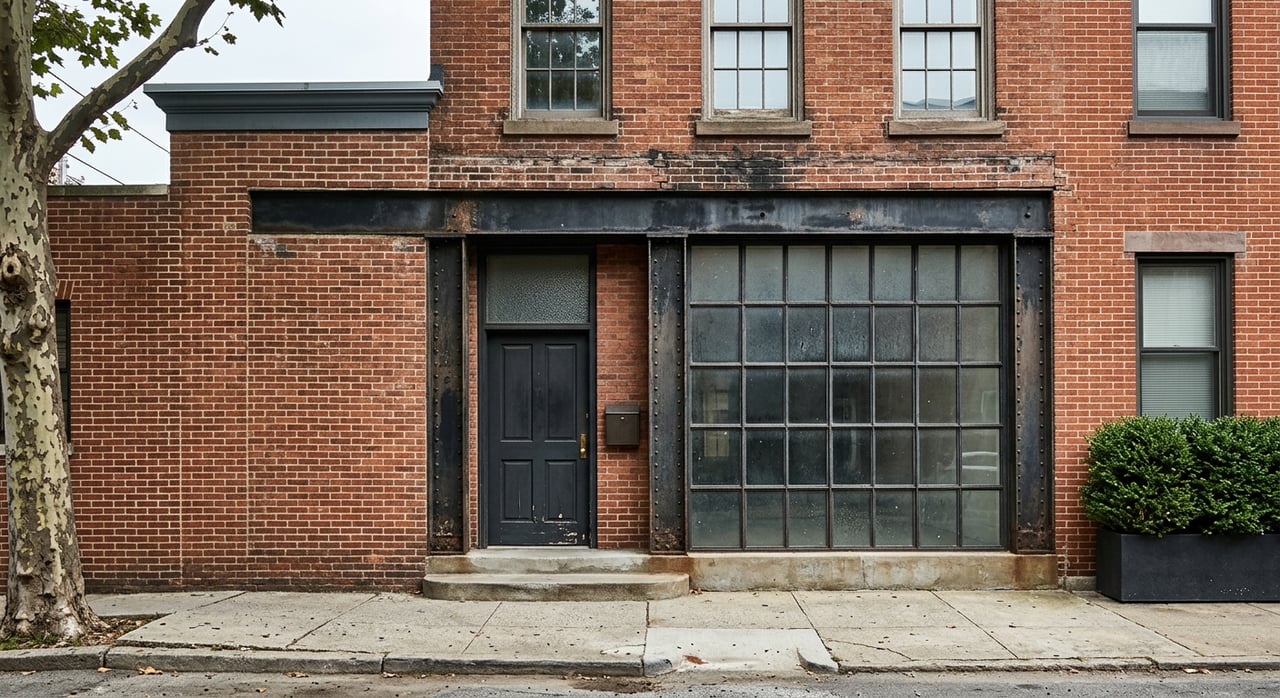
Loft buildings and live/work spaces can be appealing for size and vibe, but they sit in a different legal lane. Many converted industrial buildings fall under the Loft Law process, which requires legalization steps with the NYC Department of Buildings and oversight by the Loft Board. Legalized loft units typically become rent regulated.
Key takeaways:
- Legalization is a building-wide project. Expect design, permits, inspections, and life-safety upgrades before you obtain a residential C of O.
- Underwriting must reflect a longer timeline, added soft costs, and likely rent-regulation limits once coverage is in place.
- If you buy with illegal occupancy, adjust your price for legal risk and a meaningful contingency.
For the technical roadmap, review the City’s Loft Law project requirements and the Loft Board’s key terms and procedures.
Mixed-use: storefront plus apartments
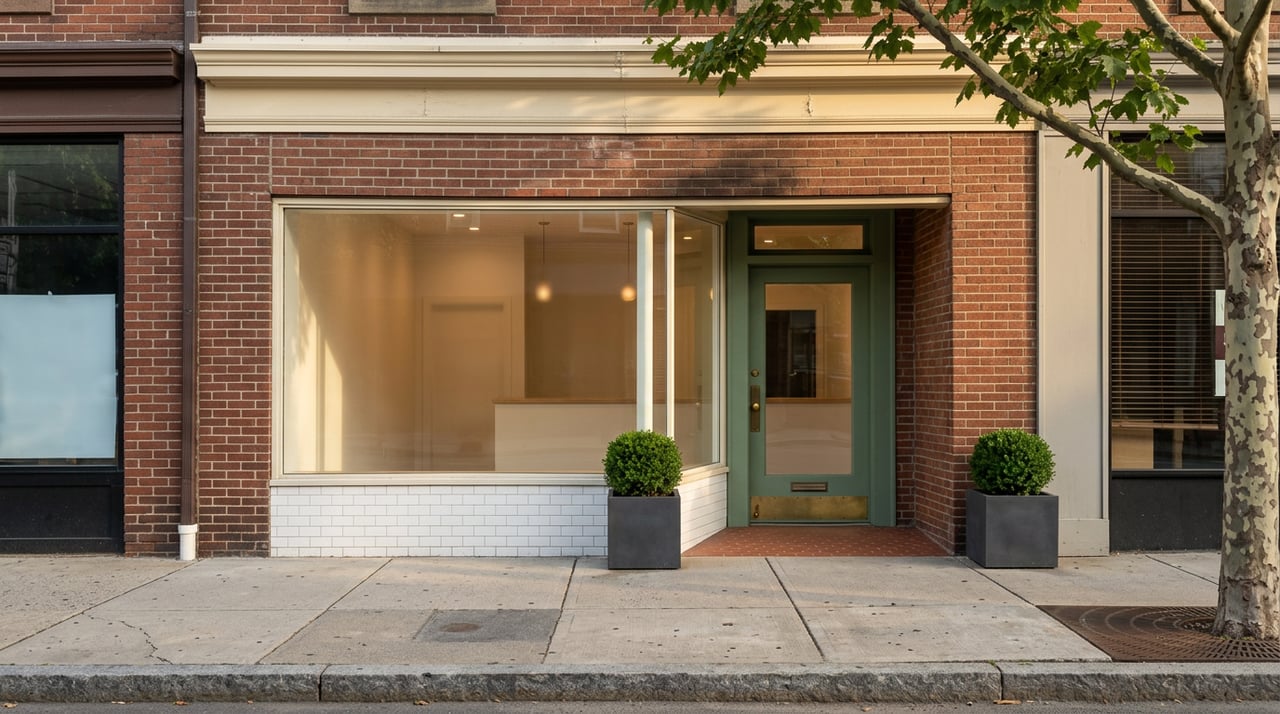
Mixed-use buildings can punch above their weight if the retail is strong, but they also add complexity. Retail leases are shorter, tenant improvements can be costly, and vacancy can last longer between commercial tenants.
Underwriting notes:
- Confirm zoning and use. Make sure the ground-floor use aligns with the zoning and any special permissions.
- Financing may shift from residential to commercial depending on the share of commercial income. Expect lower LTV and a debt service coverage test if underwritten as commercial.
- Lease quality matters. A stable, creditworthy retail tenant on a solid term can support value. If the storefront is dark or underperforming, tighten your downside case.
Zoning and rent laws that shape your plan
Zoning controls what you can do today and after closing. Bushwick includes a mix of residential districts, commercial overlays, and manufacturing zones. Manufacturing designations do not automatically permit residential use. For lofts in particular, you need to look at both zoning and the Loft Law path to legalize occupancy. Start with the DOB’s Loft Law project requirements to map your next steps.
Rent regulation reshapes long-term cash flow. After 2019, vacancy decontrol and high-rent/high-income decontrol were eliminated, and rules for improvements became stricter. If a building is or could become regulated, model your growth on conservative guideline assumptions, and verify registrations with DHCR. You can read an overview of the rules on the HSTPA resource page.
Renovation and legalization costs
Numbers vary by scope and building type, but here are useful ranges to frame your bid and hold periods:
- Cosmetic refresh: kitchens, baths, finishes, and minor systems work can run about $80 to $250 per square foot in NYC.
- Full gut apartment renovation: rewiring, replumbing, and full refit commonly fall in the $300 to $600 plus per square foot range.
- Loft/IMD legalization: code-driven life-safety, egress, electrical, and sprinkler work can push budgets higher. Many projects pencil at $200 to $400 plus per square foot just for legalization-related scope.
For a helpful breakdown of real-world cost drivers, see this guide to apartment renovation costs in NYC. Always collect multiple bids, add permitting and inspection fees, and carry a contingency for hidden conditions in older buildings.
Underwriting checklist and starter assumptions
Use these baseline inputs to start your model, then tailor them to the property:
- Rents: Pull active listings and recent leases by block and unit type. Cross-check against neighborhood medians.
- Vacancy: 5 to 8 percent for well-located, renovated small units; 8 to 12 percent for larger or unrenovated units.
- Management: 3 to 6 percent if you self-manage; 6 to 10 percent if you hire a third party.
- Repairs and maintenance: 5 to 10 percent of effective gross income. Older brownstones and lofts trend higher.
- Capex reserves: $250 to $500 per unit per month, with larger one-time capex in year 0 to 2 for legalization or heavy system upgrades.
- Property taxes: Estimate from assessed value and class rates. The tax class can materially change your expense line. Review the City’s method for assessed value and class rates and pull the lot’s recent tax bills.
Financing paths for two-family, loft, and mixed-use
For 1 to 4 unit purchases, you may qualify for residential loans. If you plan to live in the property, FHA can insure loans on 1 to 4 units with low down payment, subject to program rules. Non-owner-occupied 2 to 4 unit deals often need 20 to 30 percent down with conventional lenders. Review FHA program details and confirm limits and self-sufficiency tests for 3 to 4 unit cases.
For mixed-use or loft assets with significant commercial income or complex capex, expect a commercial loan. Those products typically carry lower LTV, shorter terms, and a hard debt service coverage test. Talk to lenders early so you price the deal with real terms, not guesses.
Stress test before you offer
Run three cases side by side so you are not surprised later:
- Base case: Current market rents by unit, 5 percent vacancy, expense ratio about 35 percent of EGI, and a capex reserve around $300 per unit per month.
- Downside case: Rents down 15 percent, 10 percent vacancy, capex reserve up 25 percent, and refinance or rate shock assumptions. Check DSCR and cash needs.
- Regulation case: Replace open market growth with modest guideline-style increases where regulation applies, limit IAI/MCI impacts, and test 5 to 10 years of constrained growth.
If the deal still works in downside and regulation cases, you likely have room to operate.
Bushwick due diligence checklist
Collect these items before you finalize price or terms:
- Title and ownership chain; mortgage records. Confirm any liens or assignments.
- Certificate of Occupancy and prior changes. Match actual use to the C of O.
- Zoning for the lot and any recent map actions affecting the block.
- Full rent roll, executed leases, security deposit ledger, DHCR registrations, and rent histories where applicable.
- DOB open violations and fines; any vacate orders need immediate review.
- Tax bills and assessment history; note abatements or exemptions.
- Insurance history and renewal quotes.
- Environmental screening for lead, asbestos, or legacy industrial risks.
- Building systems survey: roof, facade, boiler, hot water, electrical capacity, and risers.
- For lofts, Loft Board dockets and IMD registration history; confirm any covered occupants and pending cases.
Red flags include major DOB safety issues, incomplete or inconsistent DHCR registrations, long-standing tenant complaints, or undocumented occupancy changes. Citywide reporting has shown gaps in registrations; be sure to verify rent status with DHCR. For context on the risk of incomplete data, see this overview of registration anomalies and reporting gaps.
Ready to evaluate a property?
If you want a clear read on rents, taxes, and renovation risk for a specific Bushwick address, our family-run team can help you price it right. We combine on-the-ground comps with practical underwriting and a ready investor pipeline for owners who need speed. For a quick rent roll review or a free valuation, reach out to Parkview Terrace Realty.
FAQs
What are typical Bushwick rents for 1 to 3 bedroom units in 2026?
- Listing medians often show 1-bedrooms near $2,900 to $3,100, 2-bedrooms around $3,300 to $3,900, and 3-bedrooms around $3,400 to $4,000; confirm with current block-level comps.
How do the 2019 rent law changes affect my upside?
- The law removed key deregulation paths and tightened improvement rules, so long-term rent growth in covered units is limited; underwrite conservative increases and verify DHCR history.
What should I budget for a full apartment gut in Bushwick?
- Many NYC projects price a full gut with systems work around $300 to $600 plus per square foot, with cosmetic refreshes lower and loft legalizations higher due to code-driven scope.
Are loft units usually rent regulated after legalization?
- Yes. Under the Loft Law process, legalized residential units generally become rent-regulated and require compliance with Loft Board and DOB rules, which limits rent growth.
What vacancy rate should I use for a renovated two-family near transit?
- A 5 to 8 percent vacancy allowance is a common starting point for well-located, renovated small units, with higher rates for larger or unrenovated apartments.
Can I use FHA to buy a Bushwick two-family if I live in one unit?
- Often yes, subject to FHA occupancy and program limits; confirm loan limits and any self-sufficiency tests if the property has 3 to 4 units, and compare against conventional terms.